Luxor: The City Where Ancient Egypt Still Breathes
A journey through the ancient capital of pharaohs, forgotten rituals, and the civilization that shaped history.
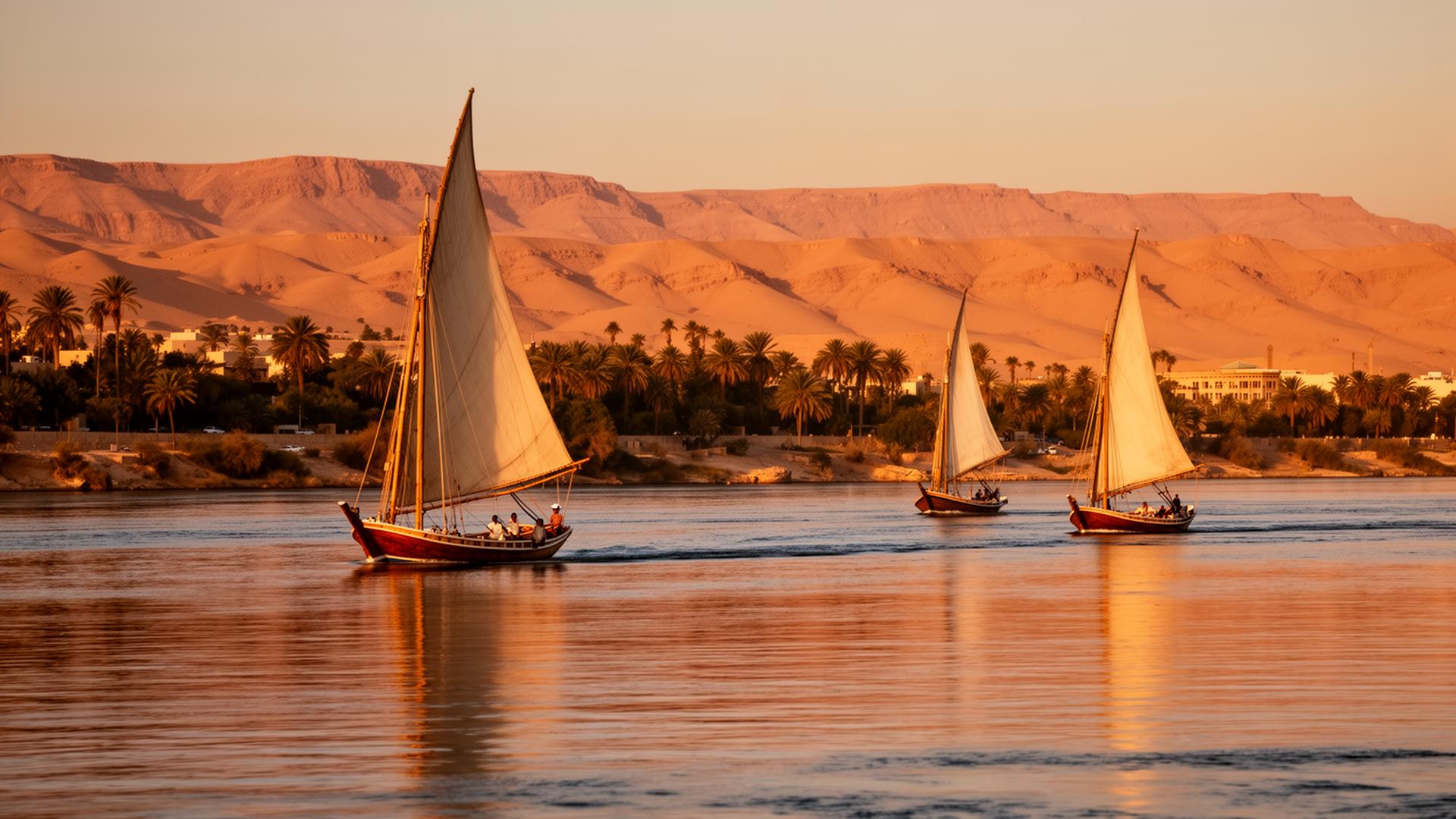
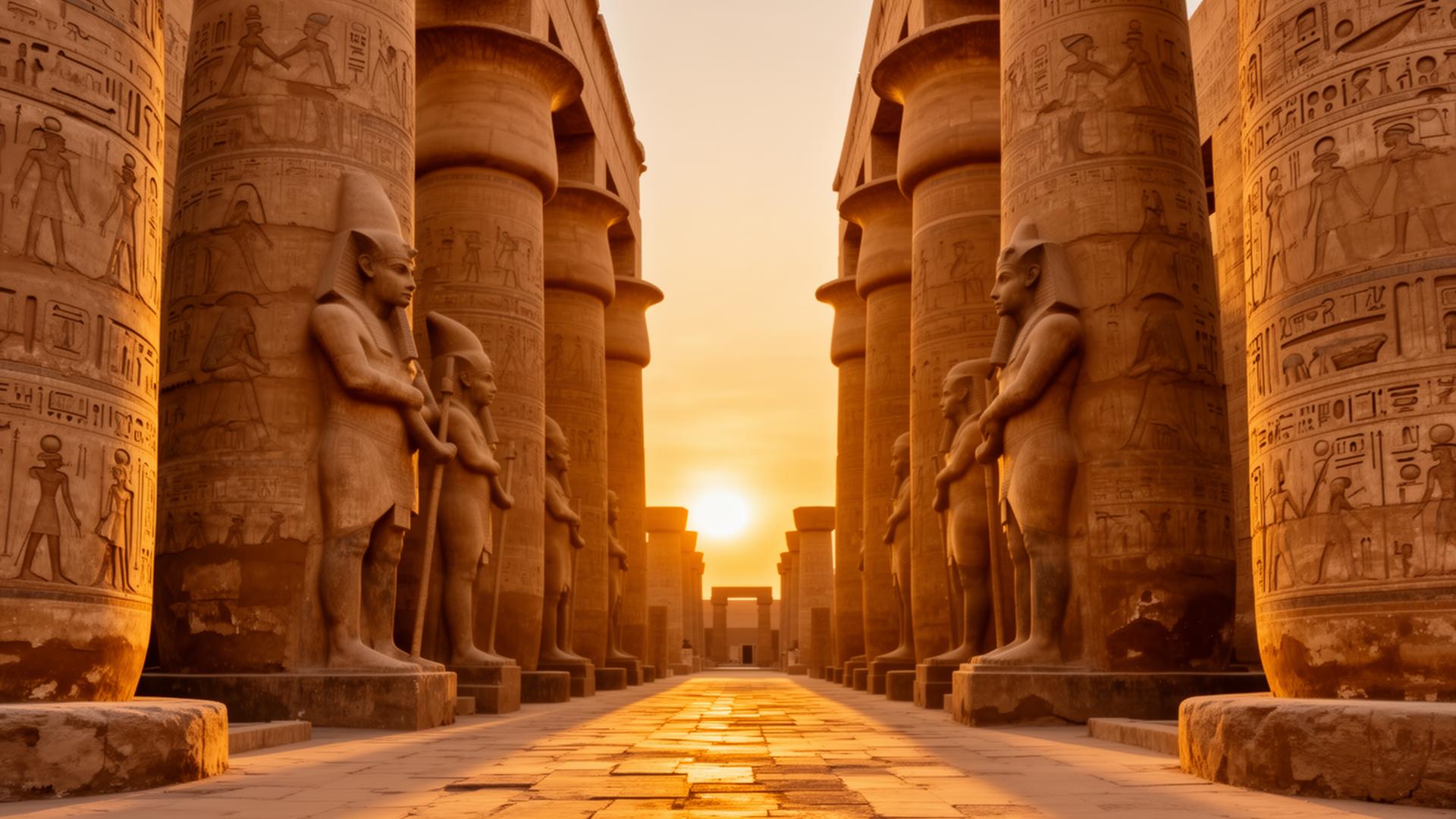
To most visitors, Luxor is a destination filled with temples and tombs. But thousands of years ago, this quiet city on the Nile was known as Waset — the powerful capital of ancient Egypt.
The Greeks later called it Thebes, a city so magnificent ancient writers described it as the city of a hundred gates.
From here, pharaohs ruled one of history's greatest civilizations, priests controlled enormous wealth, and craftsmen created monuments designed not to last centuries — but eternity.
Luxor is not a city of ruins. It is a city where an ancient civilization is still speaking.
Before Luxor: The Rise of Waset
Long before modern travelers arrived, Luxor was the political and spiritual heart of Egypt.
Around 2055 BC, during the Middle Kingdom, rulers from Thebes reunited Egypt and transformed the city into a center of influence.
During the New Kingdom period (1550–1070 BC), Luxor reached its golden age.
This era produced legendary rulers including:
- Hatshepsut, one of history's most successful female rulers
- Thutmose III, a pharaoh known for expanding Egyptian influence
- Ramesses II, remembered for his monuments and long reign
- Tutankhamun, the young king whose discovery fascinated the world
Unlike many ancient cities that disappeared, Luxor remained. Layer after layer of history survived.
The Nile: Why Luxor Exists
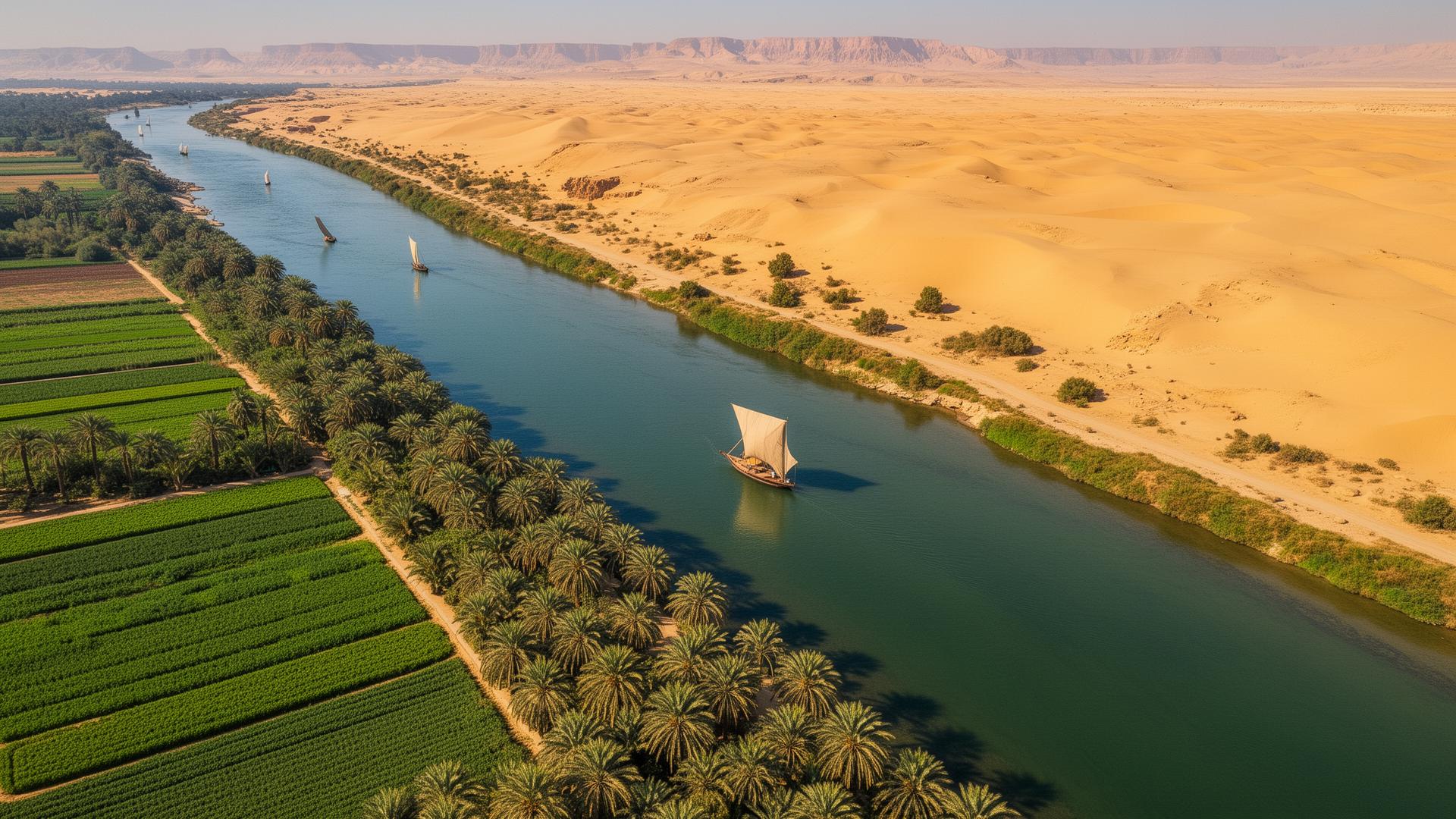
The Nile was never simply a river. It was the foundation of Egyptian civilization.
The annual flooding of the Nile created fertile land surrounded by desert, allowing one of humanity's greatest civilizations to develop.
Ancient Egyptians connected geography with belief.
The East Bank represented:
- sunrise
- life
- temples
- daily activity
The West Bank represented:
- sunset
- the afterlife
- tombs
- eternity
Luxor itself became a map of Egyptian beliefs.
Karnak Temple: A Monument Built Over 2,000 Years
Many visitors believe Karnak was created by one ruler. It was not.
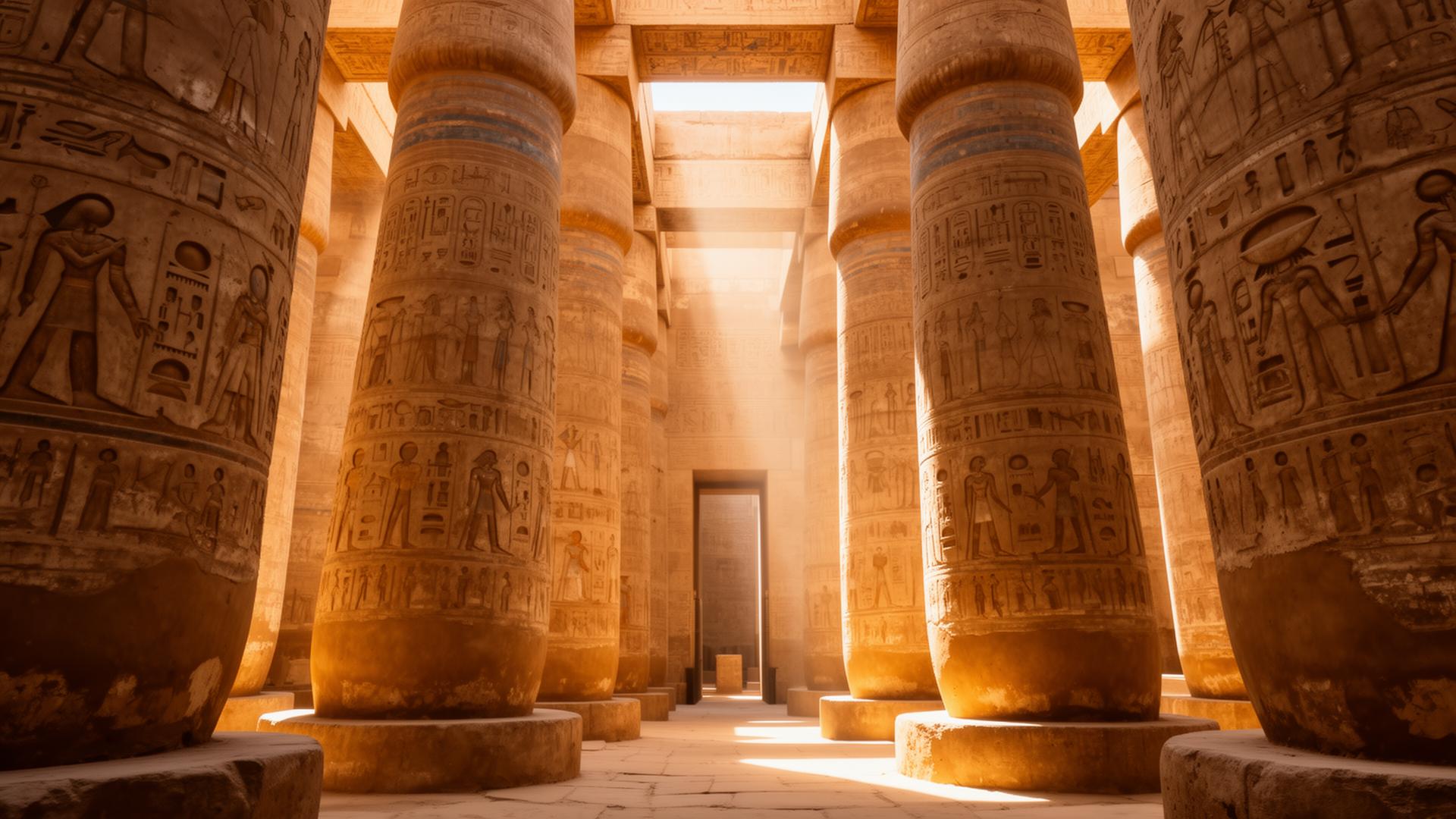
Karnak was expanded by generations of pharaohs over nearly two thousand years. Each ruler added monuments, statues, halls, and inscriptions to connect themselves with Egypt's spiritual history.
The Great Hypostyle Hall contains 134 enormous stone columns, creating one of the most impressive architectural spaces from the ancient world.
Ancient Egyptian temples were not only monuments. They were considered houses of the gods, where priests performed rituals believed to preserve balance between humanity and the divine.
Valley of the Kings: The Hidden City of Eternity
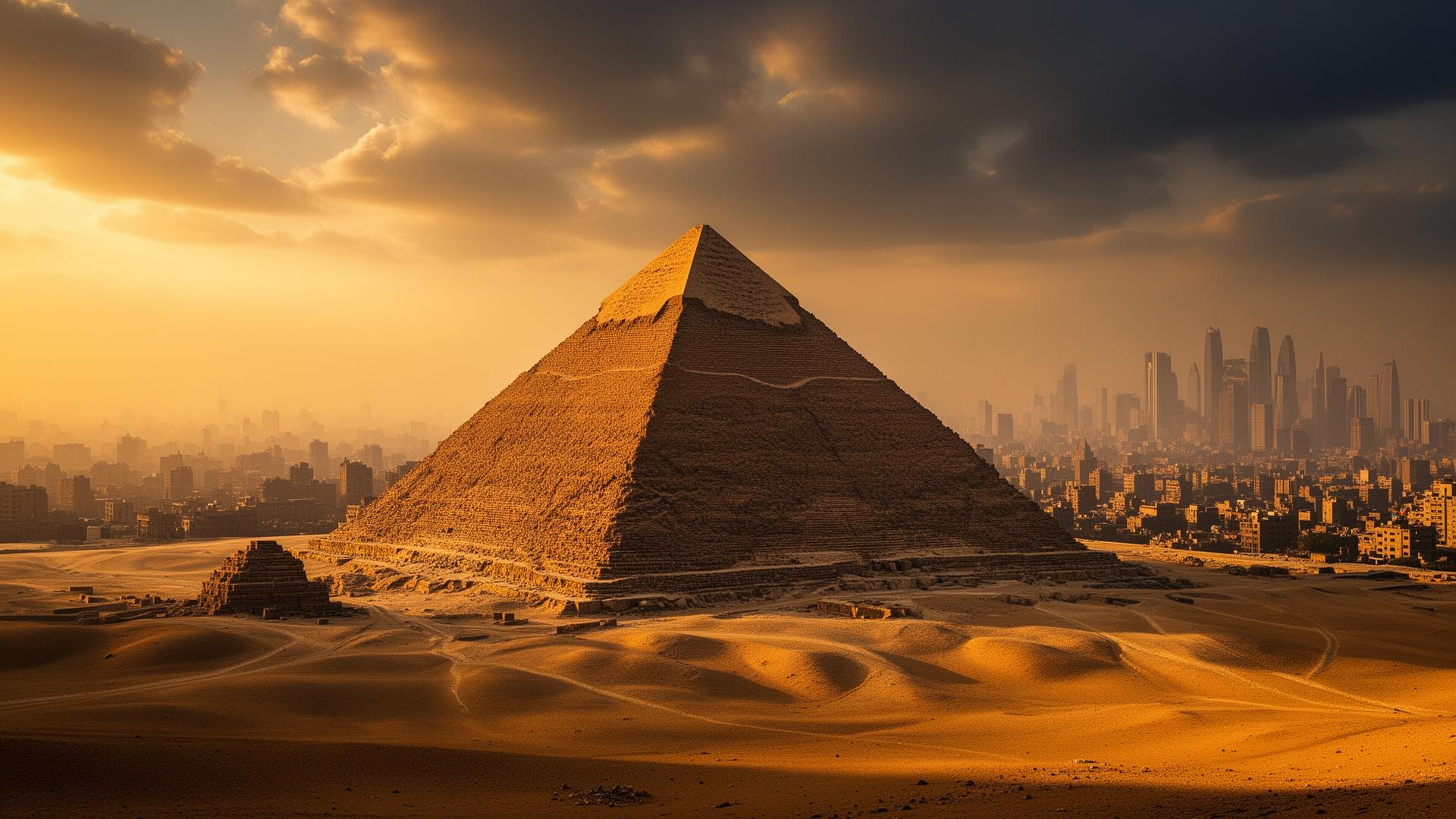
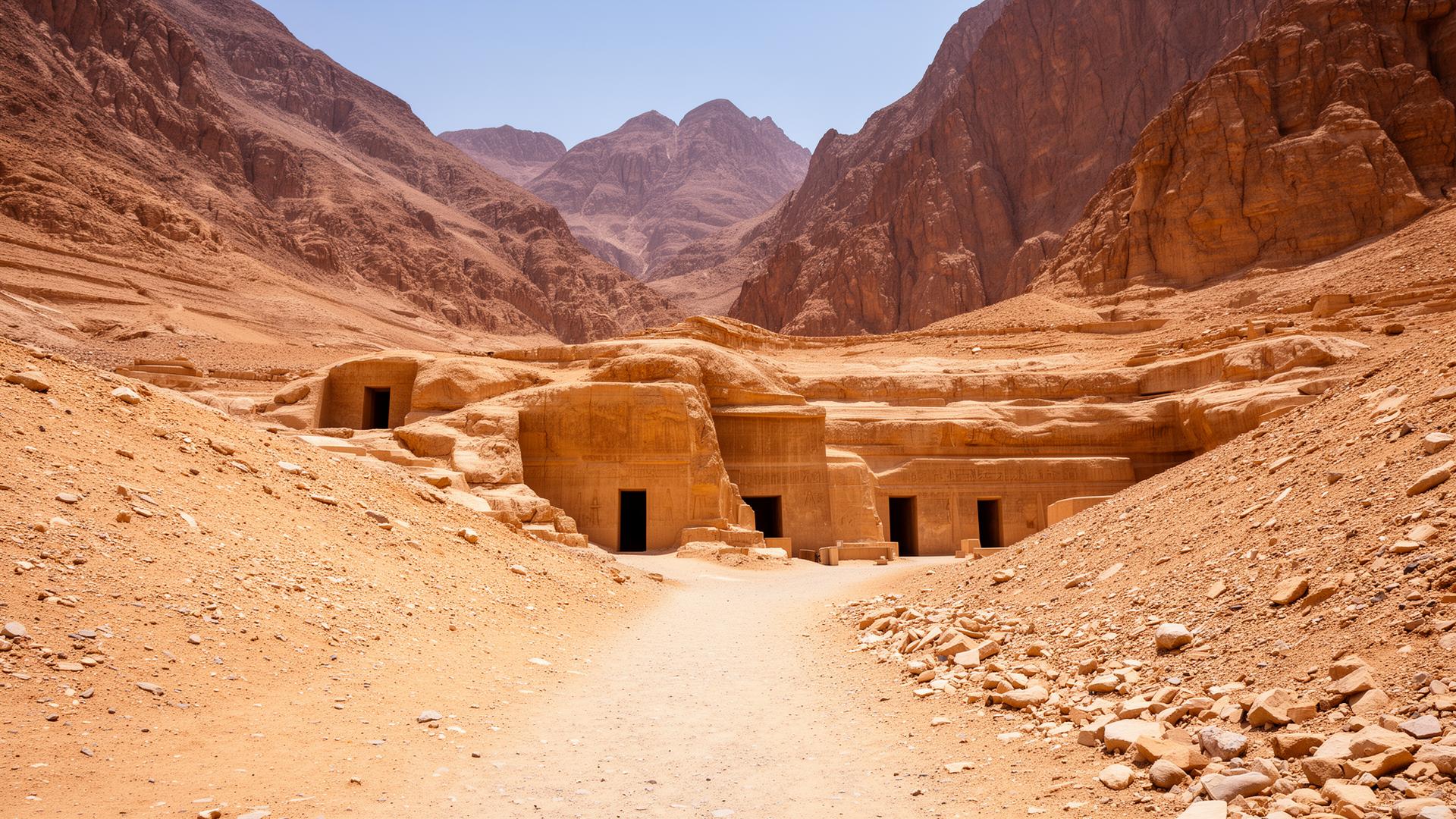
The pyramids were built to display power. The Valley of the Kings was designed to protect it.
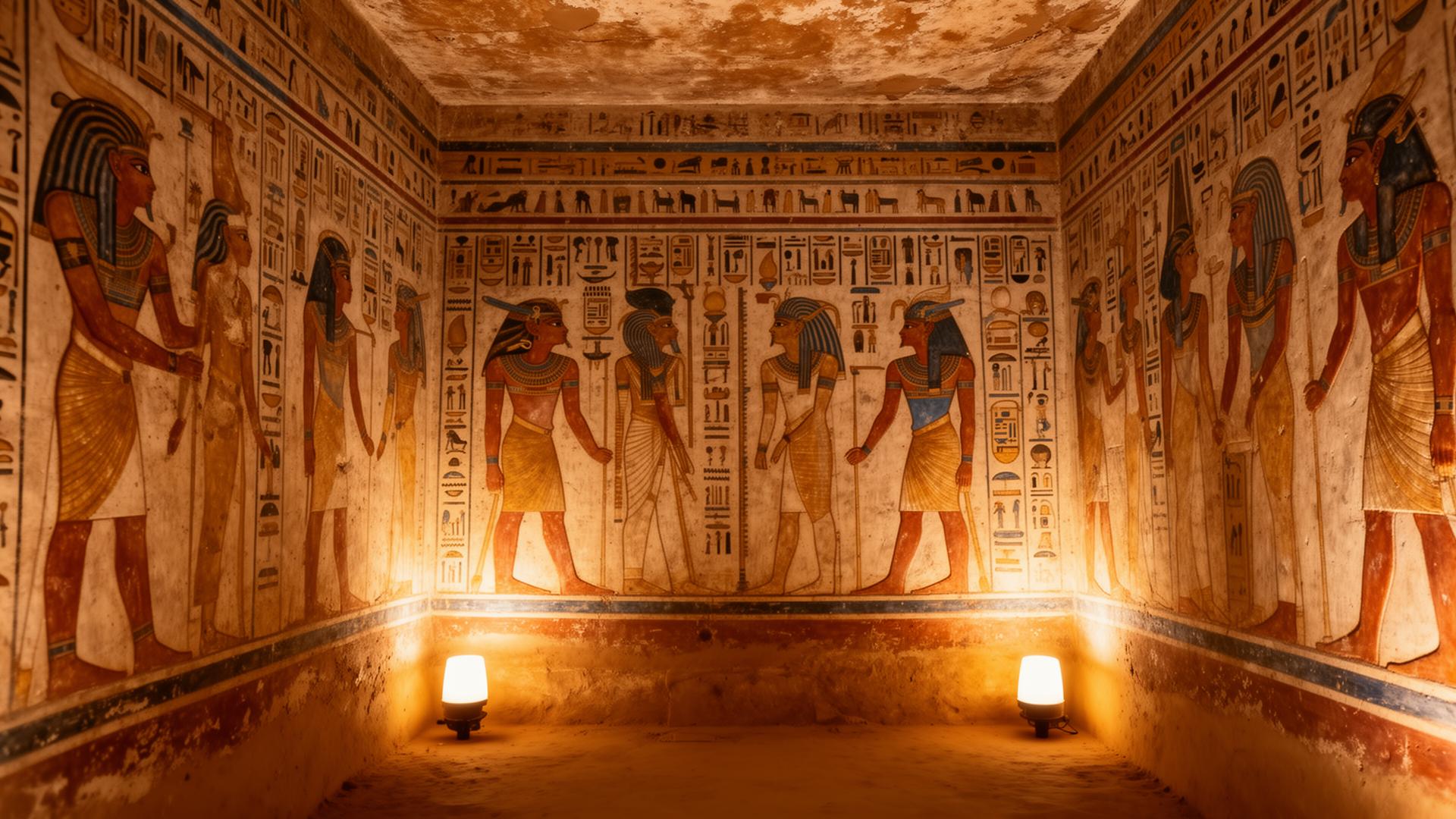
Instead of creating visible monuments, New Kingdom rulers carved their tombs deep inside the mountains.
The paintings covering the walls were not simple decoration. They represented the king's journey into the afterlife and the ancient Egyptian search for eternity.
The Discovery That Changed Archaeology
In 1922, archaeologist Howard Carter discovered the tomb of Tutankhamun.
The discovery became one of the most important archaeological moments in history because the tomb still contained thousands of objects.
Gold. Chariots. Jewelry. Daily possessions.
Ancient Egyptians believed the afterlife continued beyond death, and these objects would accompany the king into eternity.
Luxor From The Nile
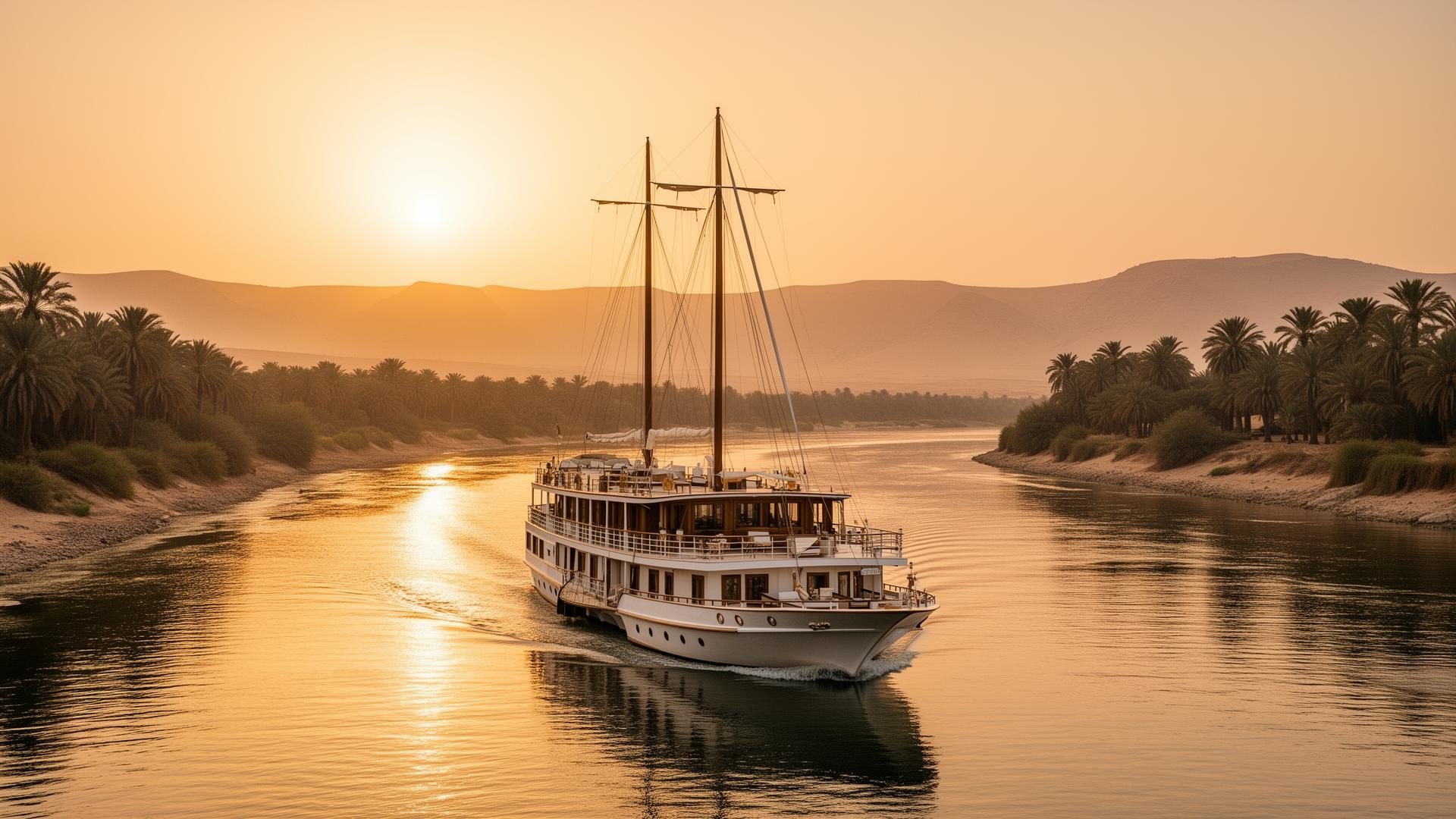
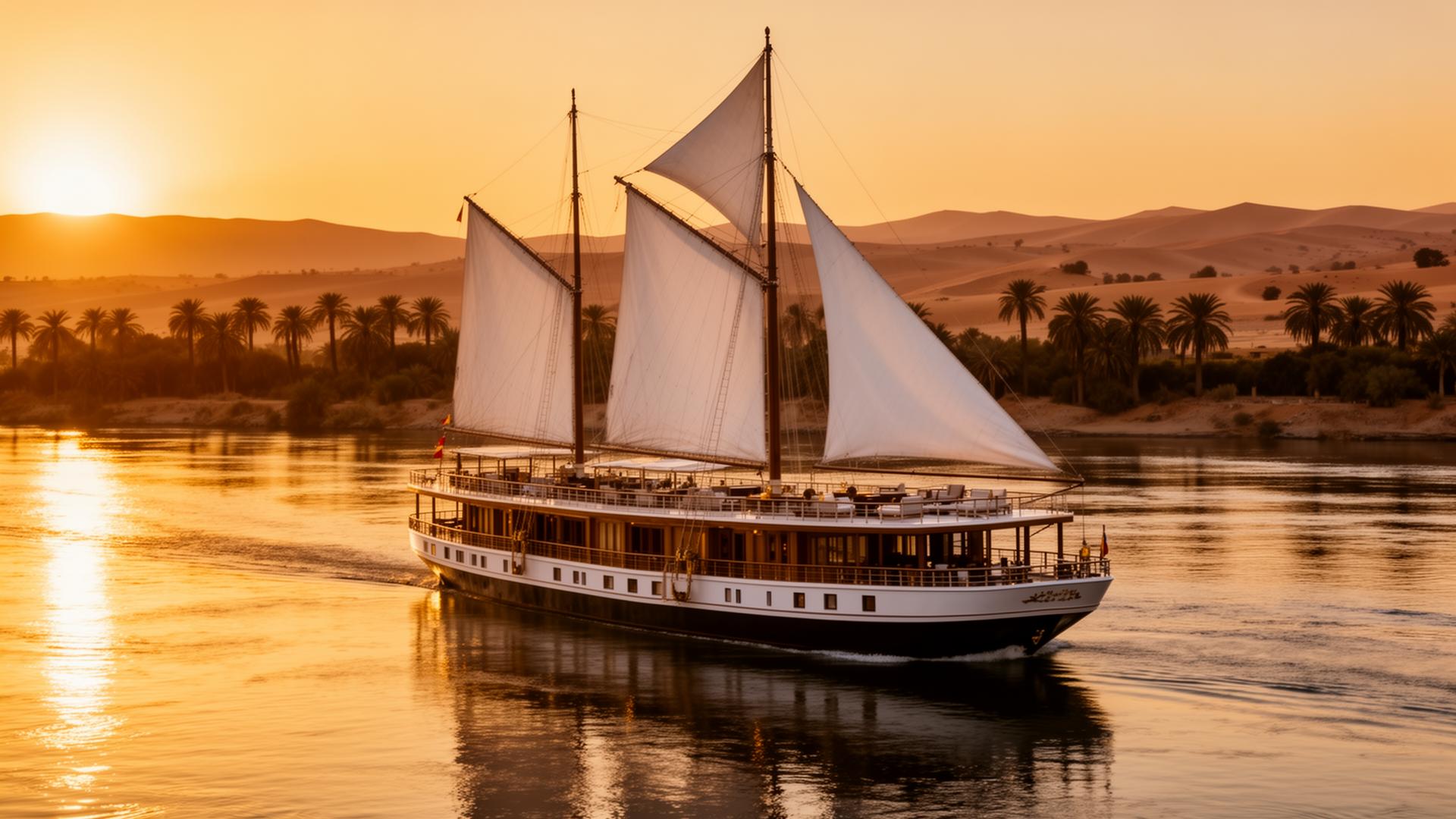
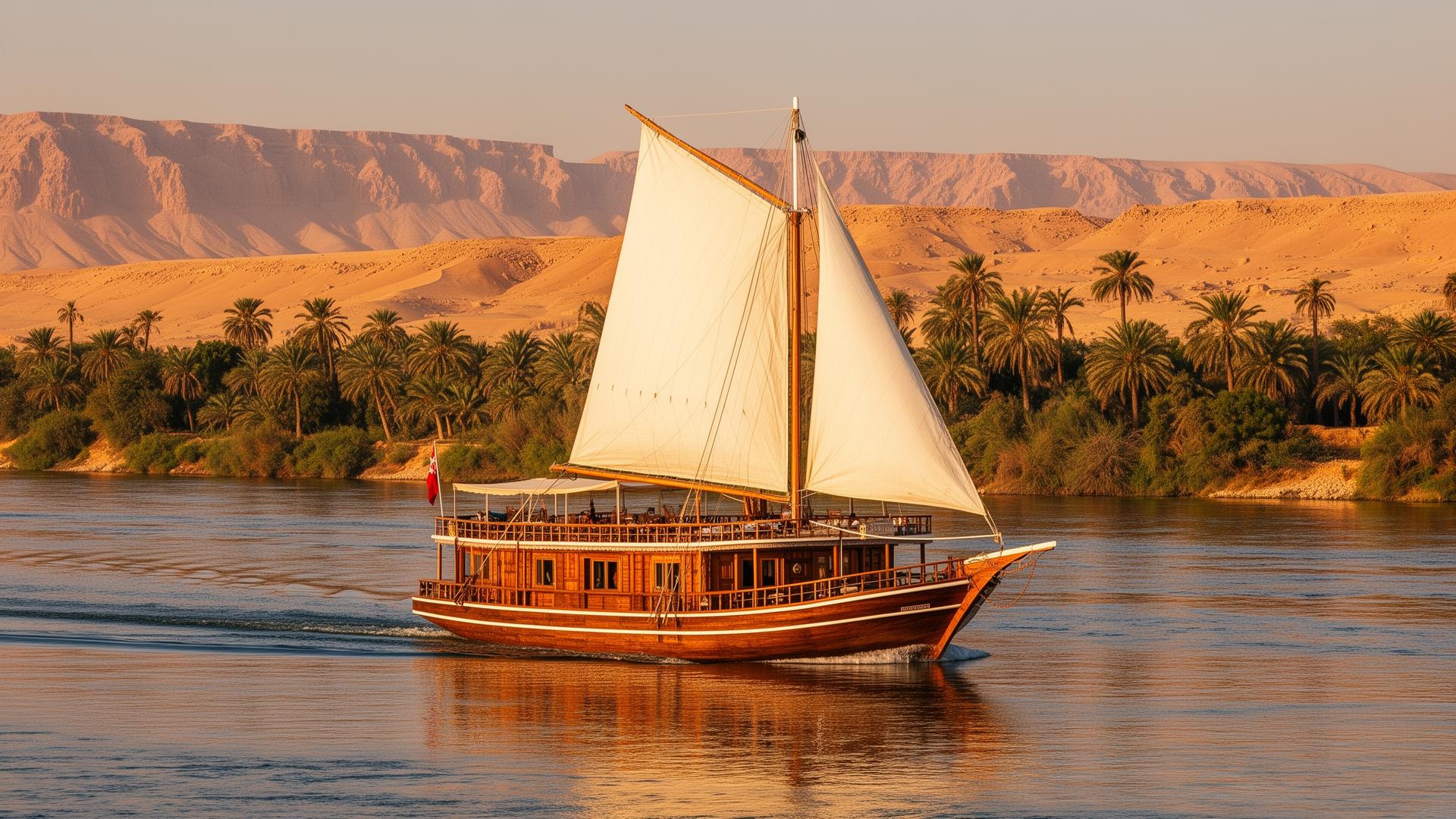
The greatest way to understand Luxor is from the river.
For thousands of years:
- stones traveled by Nile
- trade moved by Nile
- celebrations happened on the Nile
- journeys began from the Nile
The Nile was Egypt's original highway.
A Nile journey is not simply transportation. It is experiencing Egypt the way ancient Egyptians experienced it.
Best Time To Experience Luxor
October to April — the most comfortable months for exploring.
December to February — peak luxury travel season.
Summer — hotter, but quieter.
How Many Days Do You Need?
Short visit — 2 days.
Recommended — 4 days.
Luxury slow Nile journey — 7+ days.
Luxor rewards travelers who take their time.
Many places allow you to see history. Luxor allows you to walk inside it.
The temples, tombs, and river are not separate attractions — they are chapters of one story about life, power, belief, and eternity.