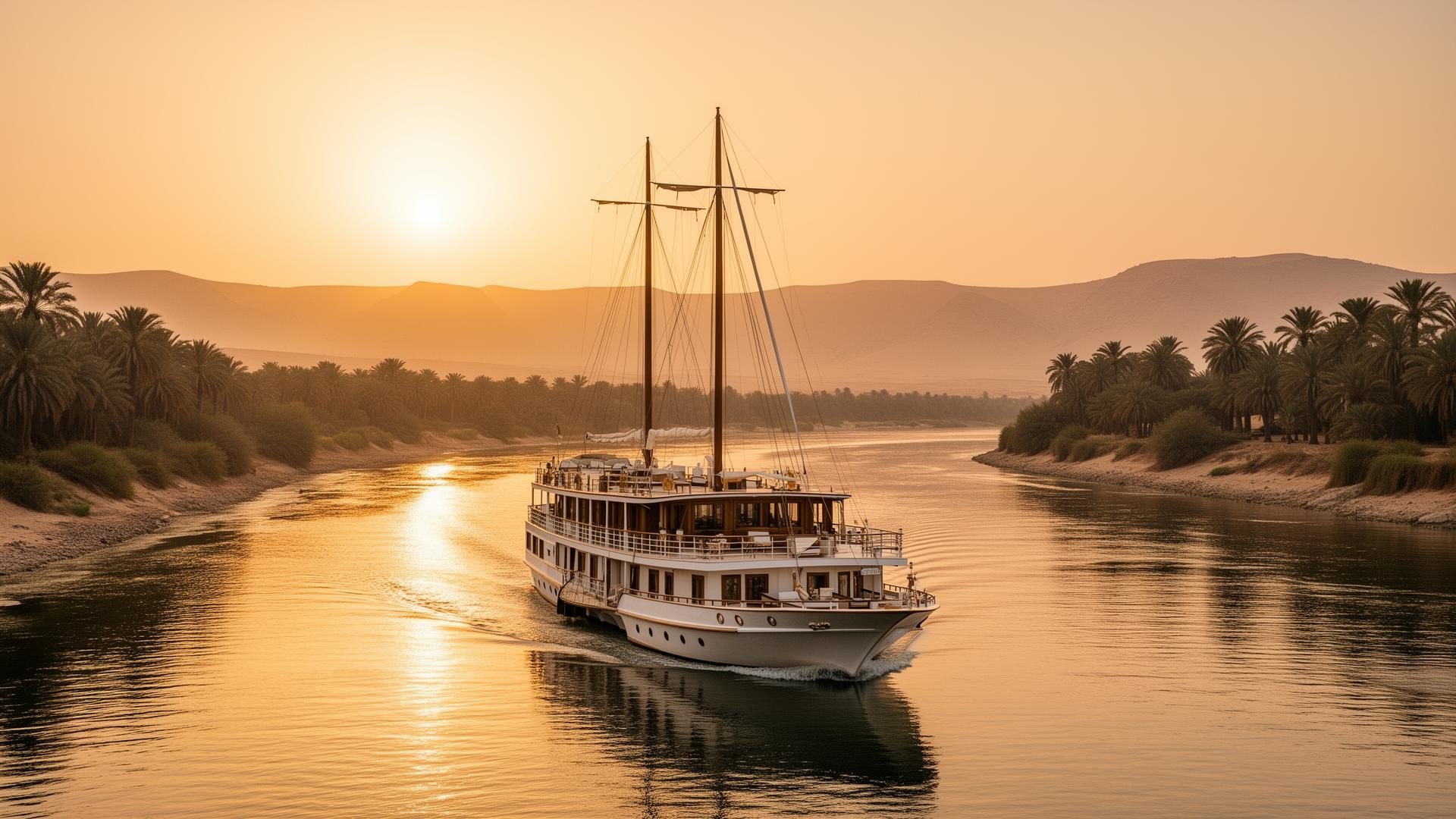
Cairo: Where Ancient Wonders and Modern Egypt Meet
A long-form luxury travel guide to Cairo — the Pyramids of Giza, the Grand Egyptian Museum, Islamic and Coptic Cairo, and the Nile that still flows through it all.
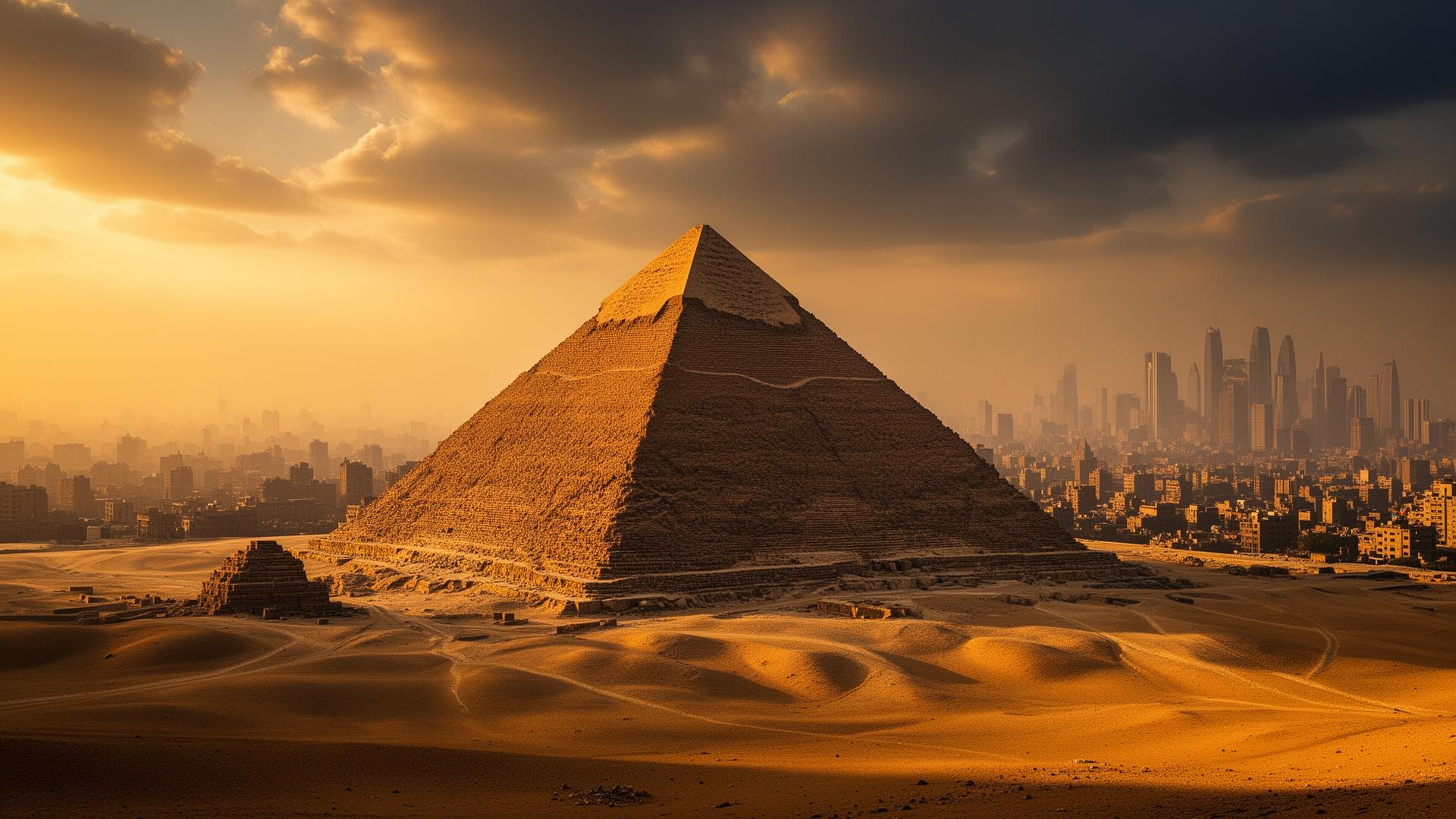
A place where ancient pyramids rise beside a modern metropolis, where medieval streets still preserve centuries of history, and where the Nile continues to shape everyday life just as it did thousands of years ago.
Cairo is not simply Egypt's capital.
It is a living museum.
Few cities allow travellers to experience ancient civilisations, medieval architecture, religious landmarks and modern culture within the same journey.
Known as "The City of a Thousand Minarets", Cairo tells the story of Egypt across every era.
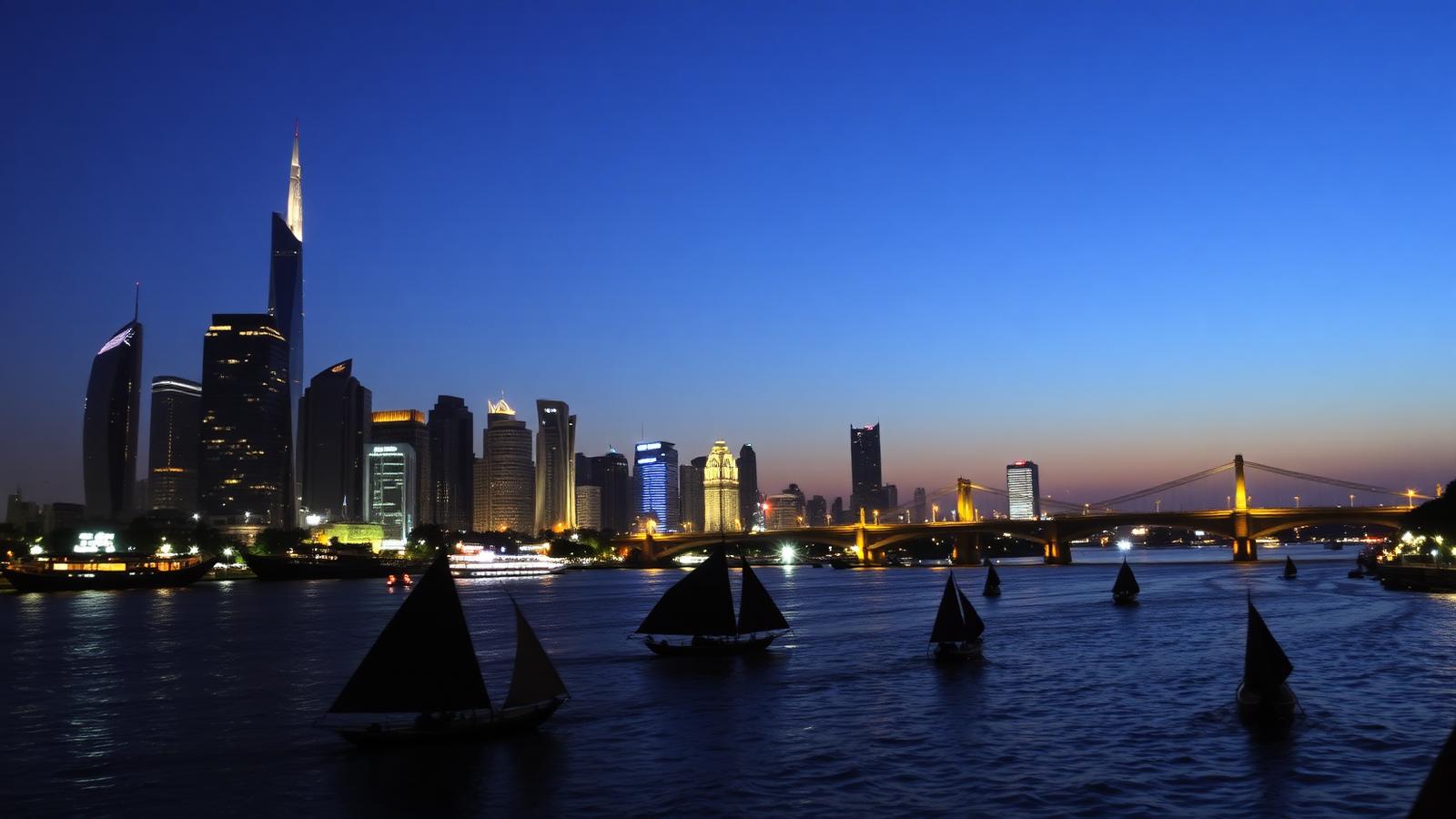
A City Built Through Time
Cairo is not one historical period. It is layers of civilisations, stacked on top of each other along the same stretch of river.
Long before the modern city existed, the ancient capital of Memphis stood just south of today's Cairo — the political, religious and architectural heart of early Egypt, and the launchpad for the monumental age of the pyramids.
As the centuries moved on, Cairo grew into a meeting point for:
- Trade between Africa, the Mediterranean and the Arab world
- Religion across pharaonic, Coptic Christian and Islamic traditions
- Science, medicine and astronomy in the medieval Islamic golden age
- Architecture from pharaonic temples to Mamluk mosques to modern towers
- Culture, music and storytelling that defined the Arab world for centuries
A simple way to picture Cairo's story is as a vertical timeline:
``` Ancient Egypt ↓ Coptic Egypt ↓ Islamic Cairo ↓ Modern Cairo ```
Every neighbourhood you visit belongs to a different chapter — and many belong to several at once.
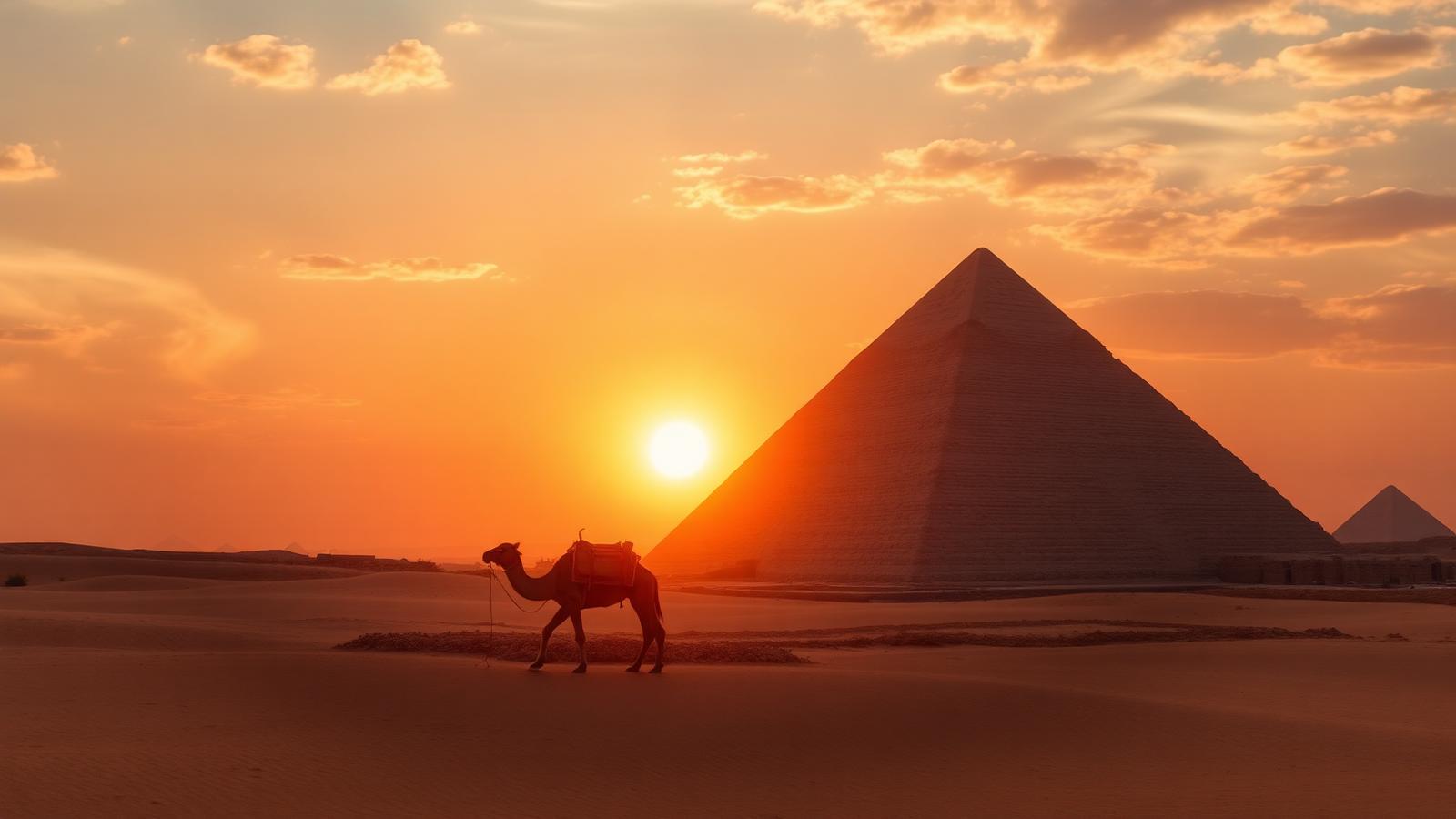
The Pyramids of Giza — The Last Ancient Wonder
Built more than 4,500 years ago, the Pyramids of Giza remain one of humanity's greatest architectural achievements — and the only one of the original Seven Wonders of the Ancient World still standing.
At their centre is the Great Pyramid of Khufu.
Originally rising to around 146 metres, it was the tallest human-made structure on Earth for nearly four thousand years. To build it required:
- Millions of precisely cut limestone blocks
- A vast organised workforce of skilled craftsmen
- Engineering and surveying of extraordinary accuracy
- Decades of planning across multiple generations
But the pyramids were never only feats of construction.
For ancient Egyptians, they represented:
✓ The pharaoh's journey into the afterlife ✓ Divine kingship and the authority of the throne ✓ The link between the earthly world and the eternal one
> Did You Know? > More than a tomb — the pyramids represented Ancient Egypt's understanding of life, death, and eternity carved into stone.
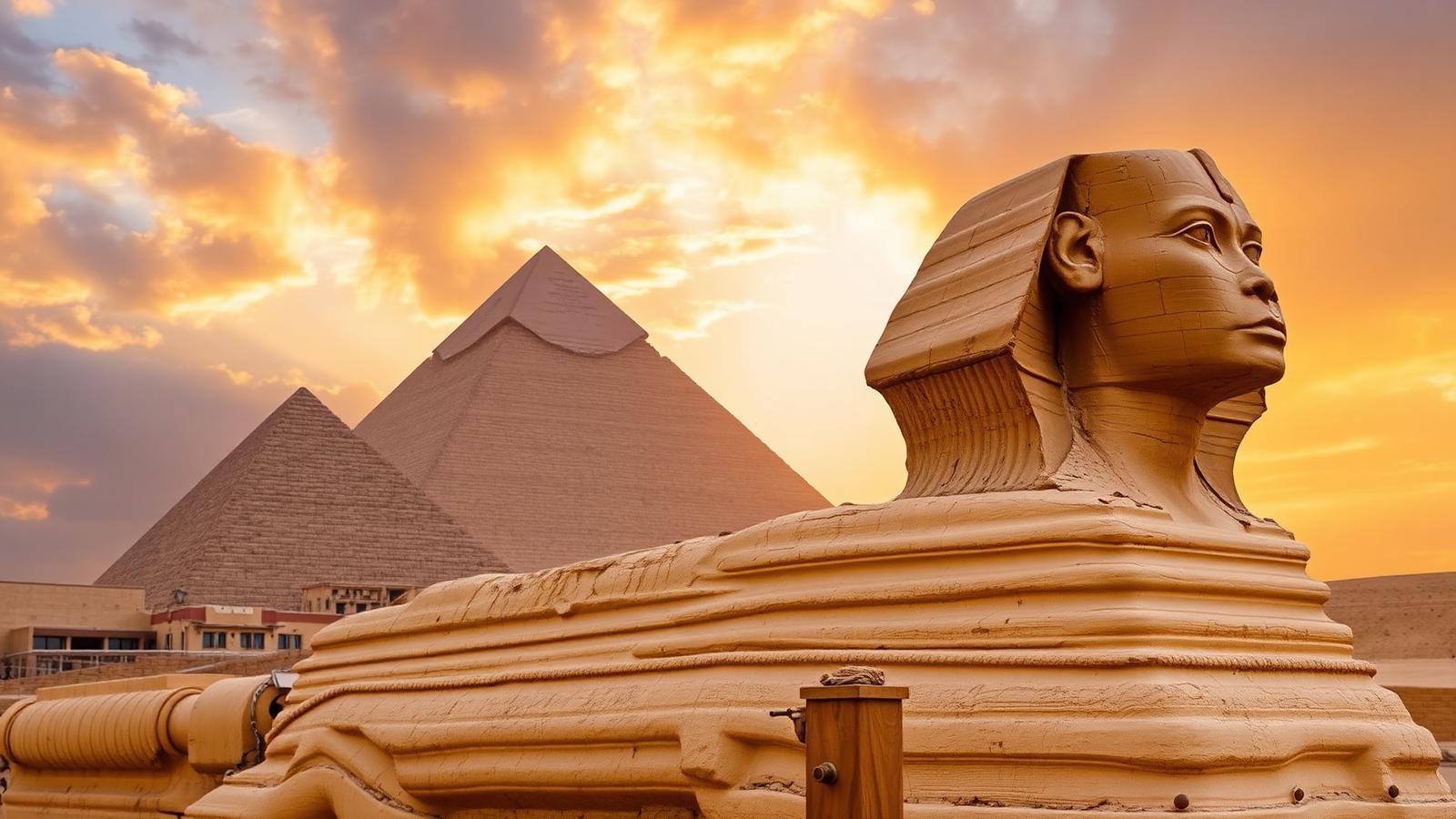
The Great Sphinx — Egypt's Ancient Guardian
Carved from a single mass of limestone, the Great Sphinx of Giza has watched over the plateau for more than four millennia.
With the body of a lion and the head of a human, the Sphinx was a symbol of:
- Strength and physical power
- Royal protection over the sacred plateau
- The divine authority of the pharaoh
For thousands of years, it has watched civilisations rise and fall around it — Old Kingdom dynasties, Greek and Roman empires, Islamic caliphates, and the modern city of Cairo itself, now visible on the horizon just beyond.
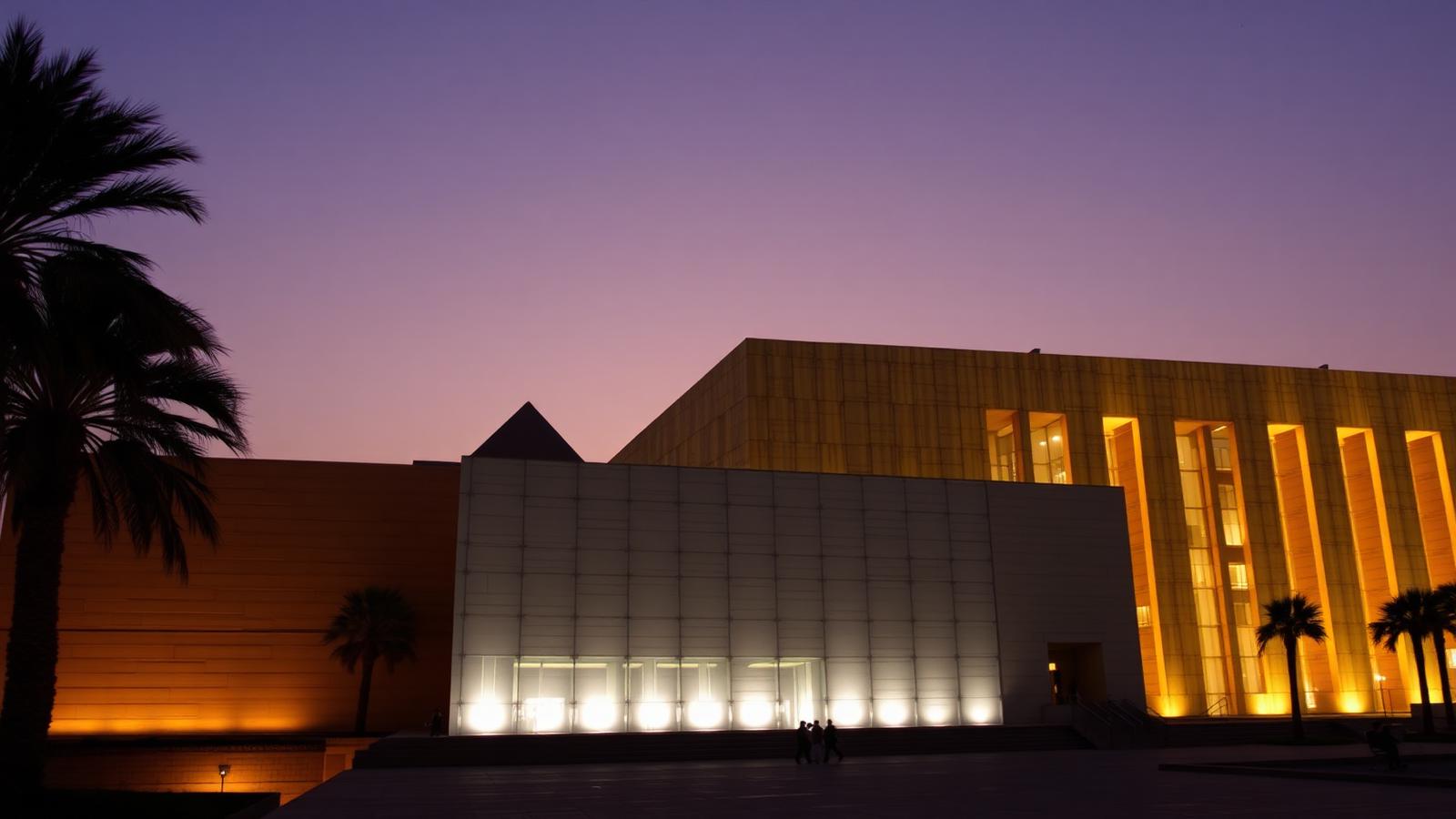
The Grand Egyptian Museum
Just minutes from the pyramids, the Grand Egyptian Museum marks a new era in how Egypt presents its own history.
It is one of the largest archaeological museums in the world — purpose-built to bring together the most important objects from ancient Egypt under a single roof, with the Giza plateau framed through its windows.
Inside, visitors encounter:
- Royal artefacts from across dynasties
- Examples of ancient Egyptian engineering and technology
- Monumental statues that once stood in temples and palaces
- Everyday objects that bring daily life in ancient Egypt vividly close
At its heart is the complete Tutankhamun collection — displayed together as a single body of work for the first time in history.
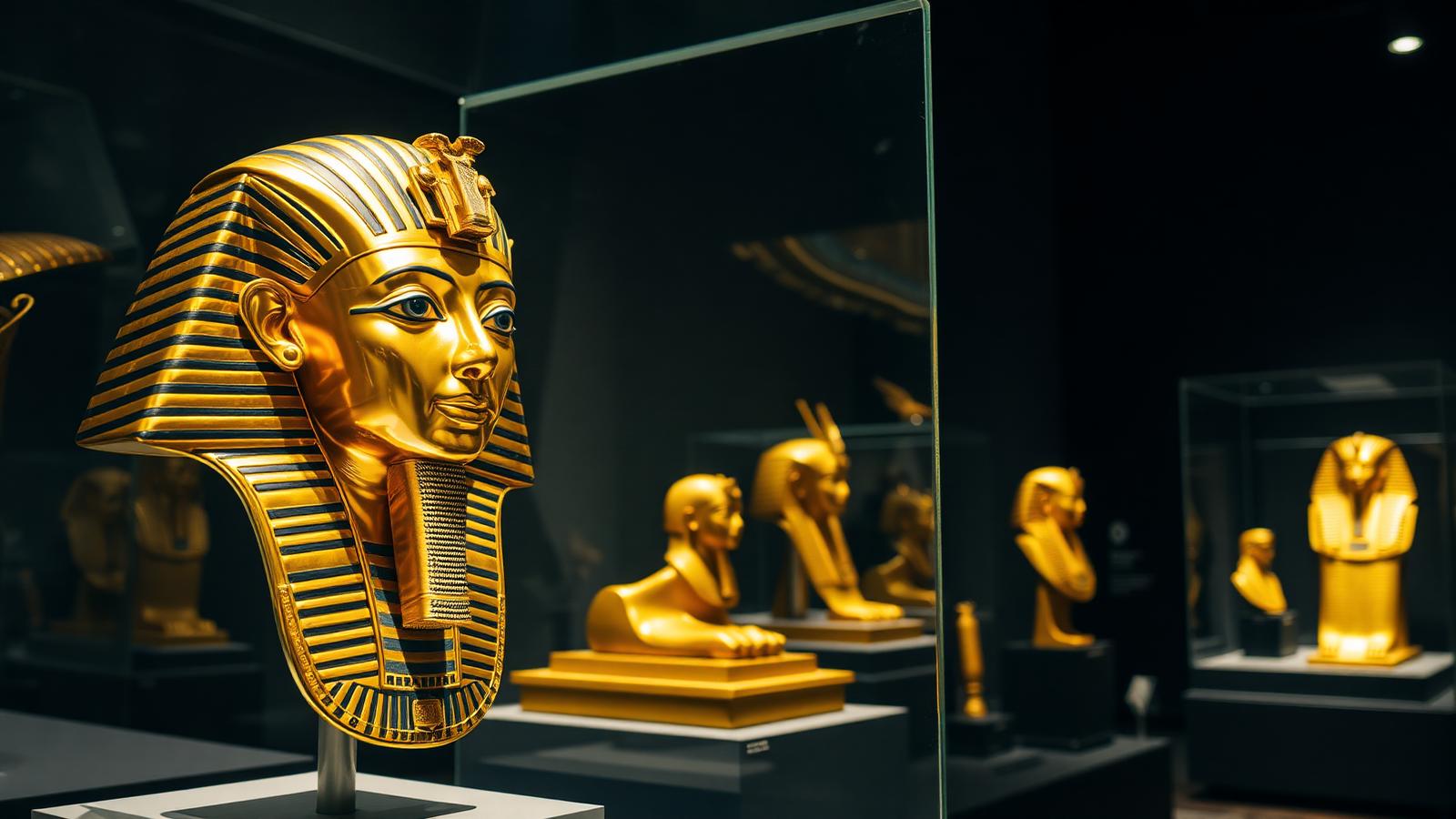
The Boy King Who Changed Archaeology
When Howard Carter opened the tomb of Tutankhamun in 1922, the world's understanding of ancient Egypt changed overnight.
Most royal tombs had been looted in antiquity. Tutankhamun's, by sheer luck of history, had not.
Thousands of objects emerged almost untouched: chariots, jewellery, furniture, weapons, ceremonial clothing — and, of course, the golden funerary mask that became one of the most iconic images of any civilisation.
> Fact Card > The discovery of Tutankhamun's tomb didn't just reveal a king. It revealed the texture of an entire ancient world — what people wore, what they treasured, and what they believed travelled with them into eternity.
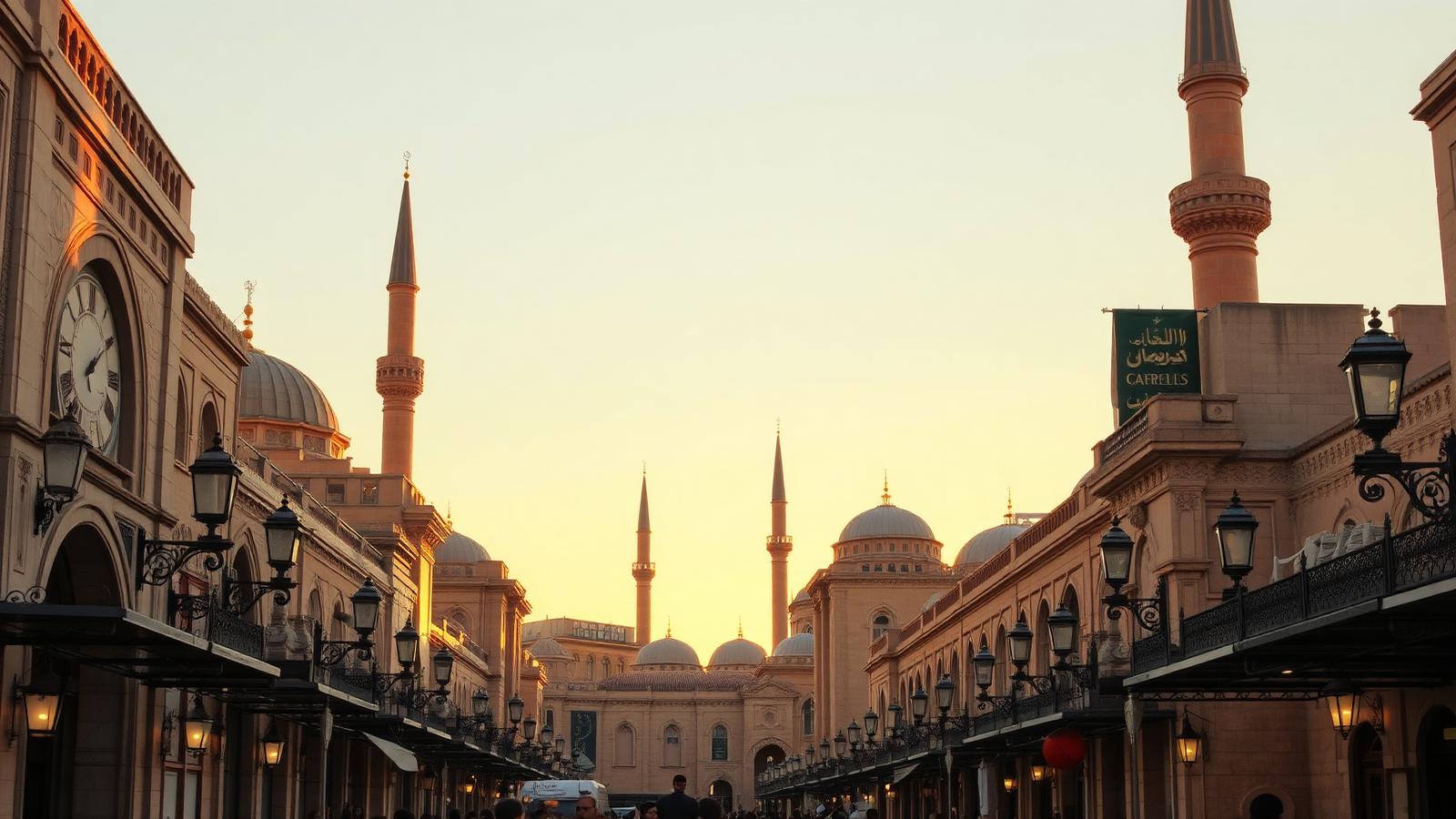
Islamic Cairo — The City of a Thousand Minarets
Beyond ancient Egypt, Cairo became one of the most influential cities of the Islamic world.
For more than a thousand years, this part of the city has been a centre of religion, learning, art and architecture — earning its enduring nickname, the City of a Thousand Minarets.
Historic Cairo is dense with:
- Grand mosques and Quranic schools
- Medieval madrasas and Sufi lodges
- Bazaars that have functioned for centuries
- Palaces, gates and caravanserais
Walking down Al Muizz Street — one of the oldest streets in the city — feels less like sightseeing and more like moving through a continuous open-air museum of Islamic architecture.
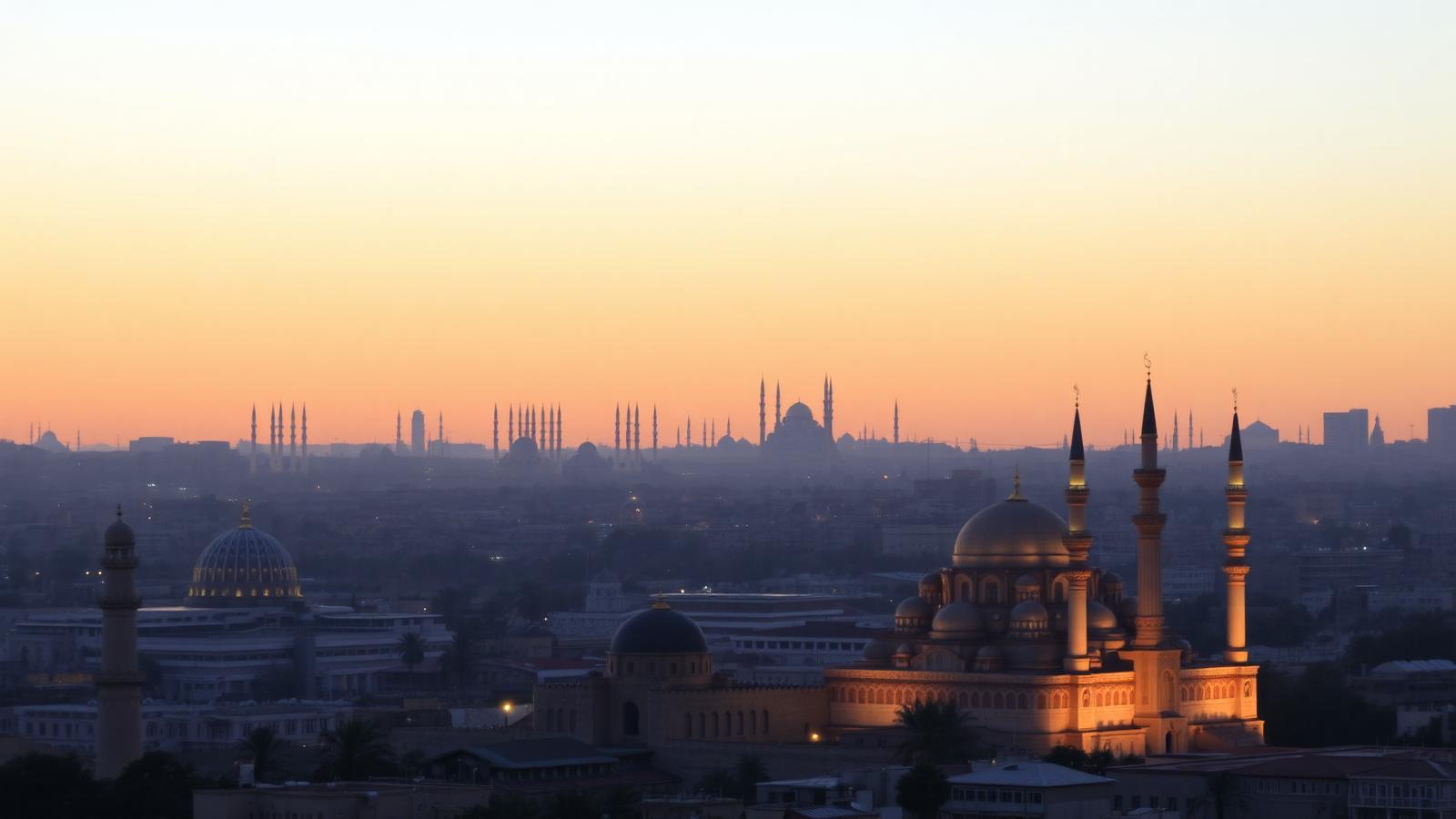
The Citadel and the Cairo Skyline
Perched on a hill above the old city, the Citadel of Saladin has been the strategic heart of Cairo since the 12th century.
From its terraces, the city unfolds in every direction — minarets, domes, rooftops, the Nile in the distance, and on a clear day, the silhouettes of the pyramids on the western horizon.
It is the single best place to understand how layered Cairo really is. Ancient, medieval, and modern, all visible in one view.
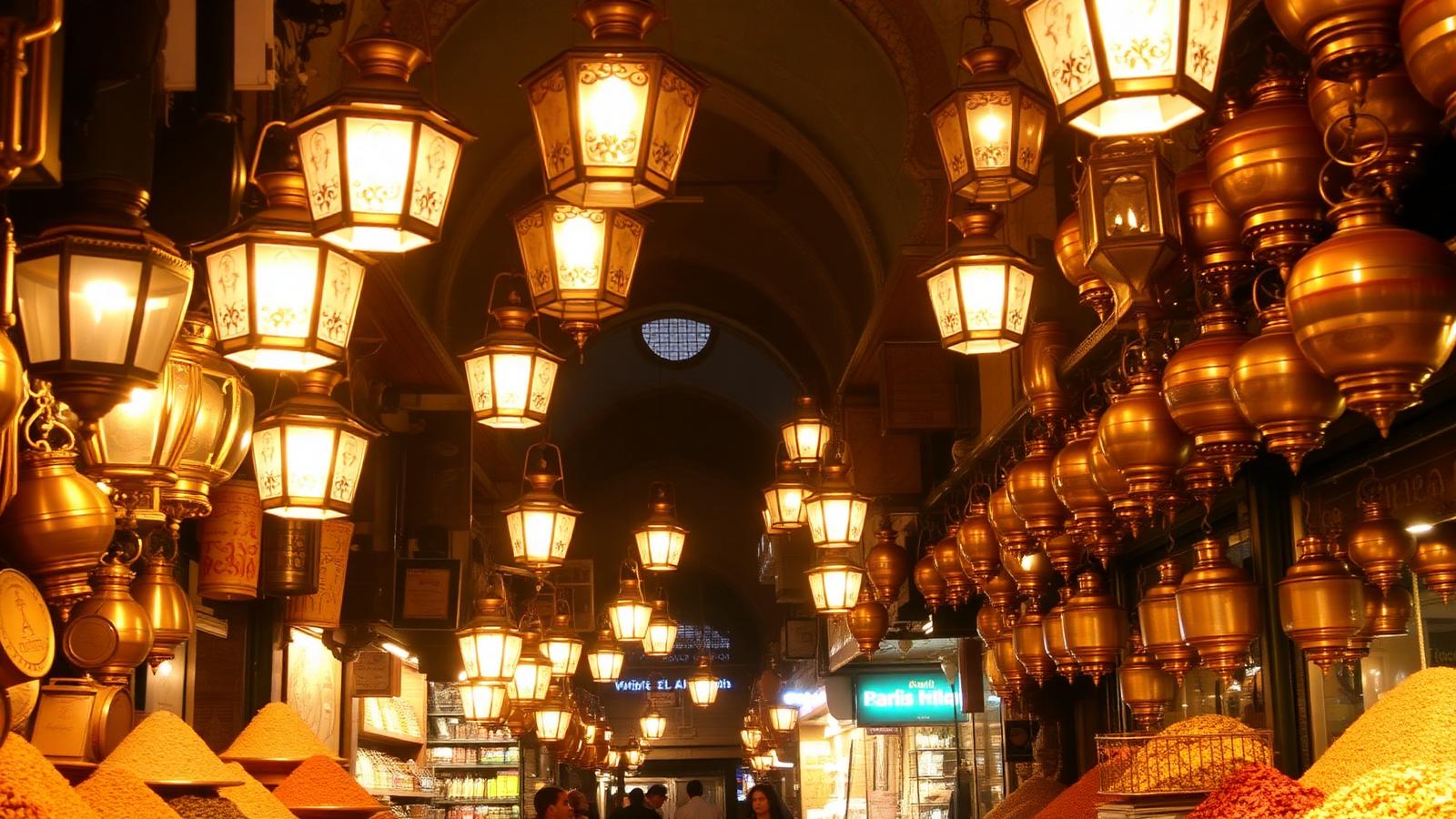
Khan El Khalili — Cairo's Historic Market
For more than six hundred years, Khan El Khalili has been Cairo's heart of trade, craftsmanship and street life.
What started as a Mamluk-era caravanserai has grown into one of the most atmospheric bazaars in the world.
Visitors come for:
✓ Handmade brass and copper crafts ✓ Gold and silver jewellery ✓ Spices, perfumes and traditional remedies ✓ Centuries-old cafés where Cairo's writers and artists still gather ✓ Egyptian souvenirs that actually feel made in Egypt
End the evening at a historic café with a glass of mint tea, and you'll understand why Cairenes have been coming here for generations.
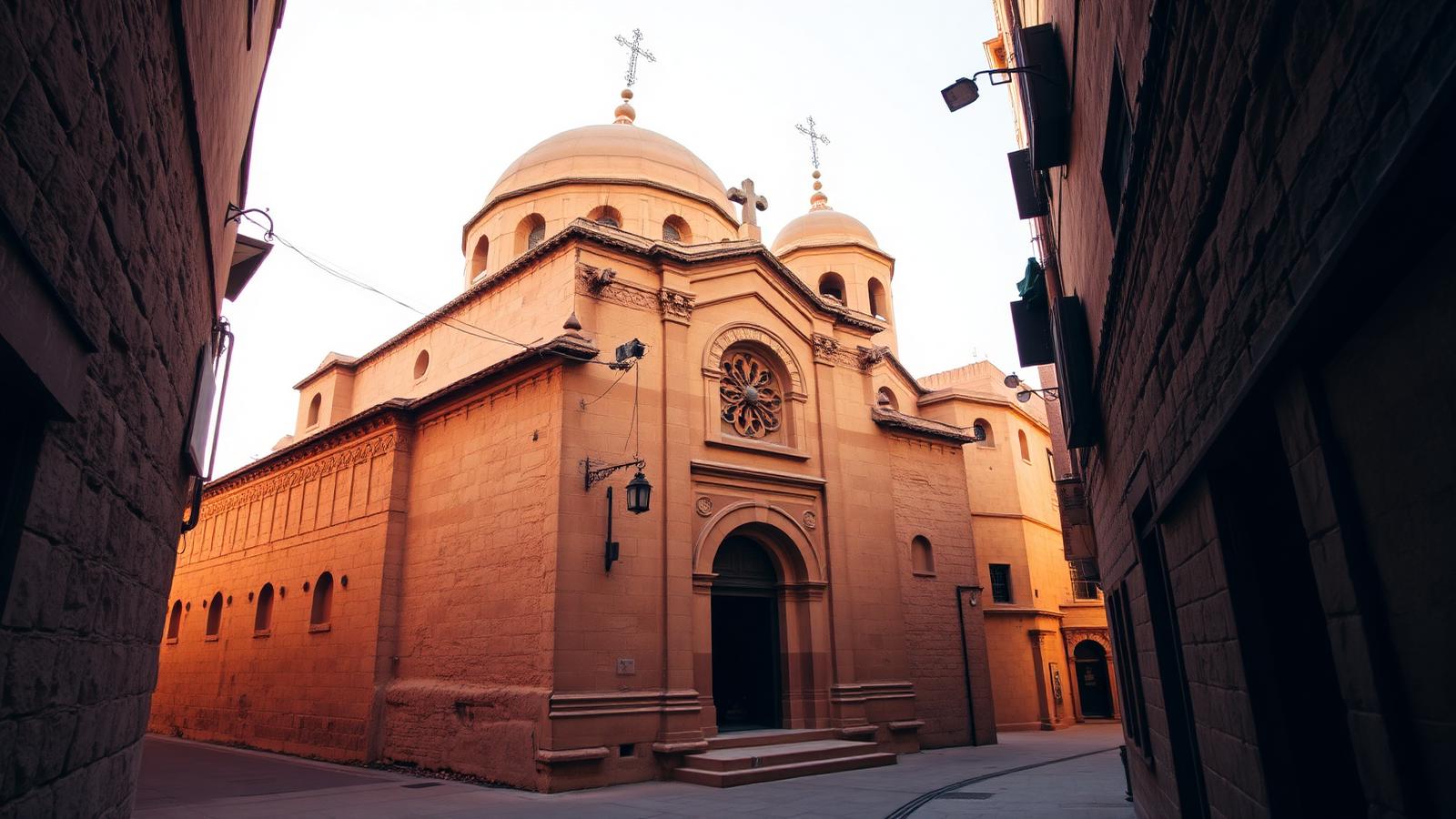
Coptic Cairo — Ancient Christian Heritage
Cairo also preserves some of the world's oldest Christian history.
In the southern part of the city, the neighbourhood of Coptic Cairo wraps around ancient churches, monasteries and a small but extraordinary museum of Christian art.
Highlights include:
- The Hanging Church, suspended above a Roman gatehouse
- The Church of Saints Sergius and Bacchus, linked by tradition to the Holy Family's journey through Egypt
- Quiet stone lanes lined with chapels and old houses
This is the side of Cairo many visitors never see — and it's part of what makes the city impossible to reduce to a single story. Pharaonic, Christian, and Islamic Egypt all share the same streets.
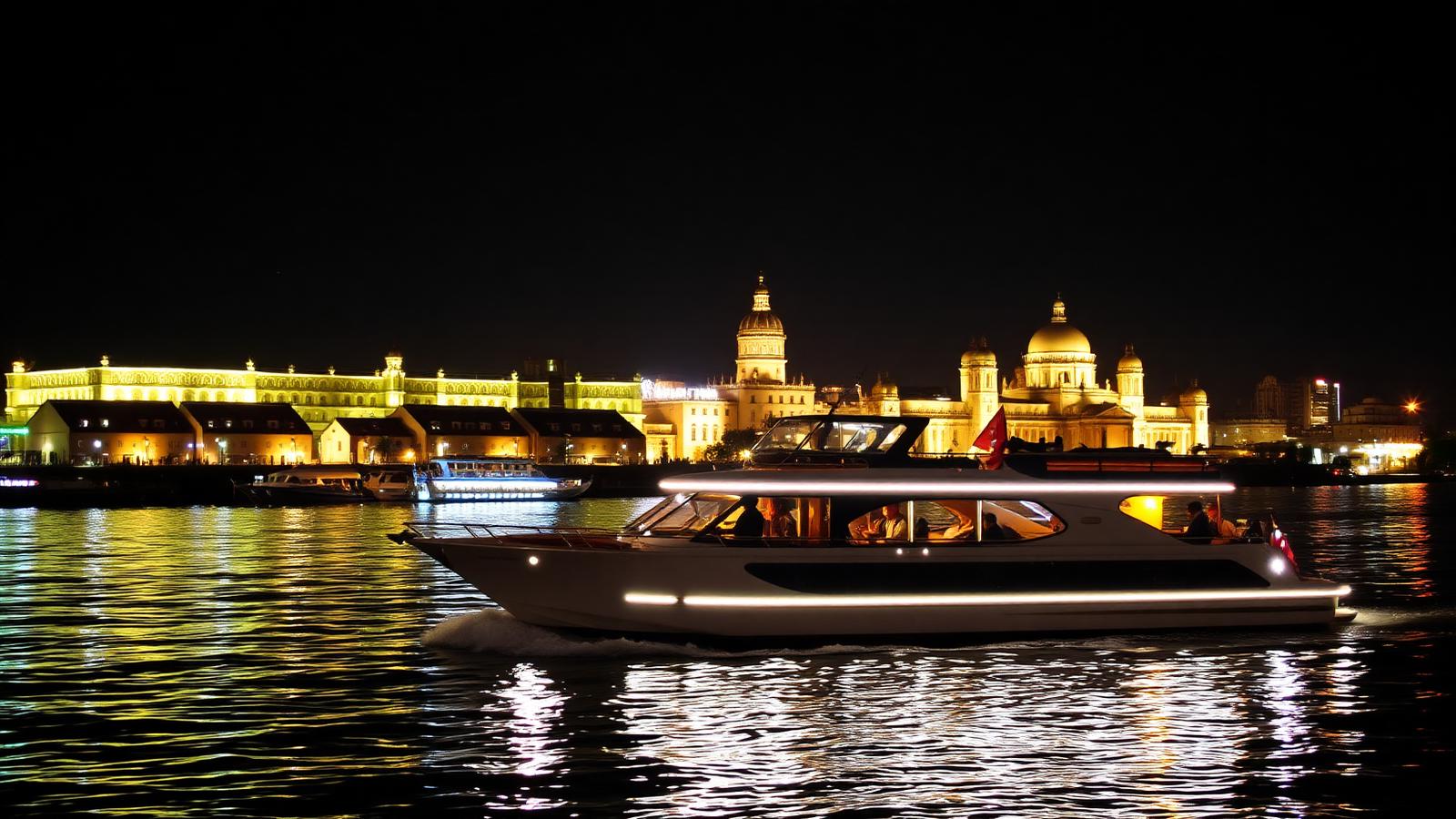
The Nile Experience in Cairo
Before roads and bridges, the Nile *was* Egypt — its highway, its market, its lifeline.
In Cairo, that hasn't really changed. The river still cuts through the centre of the city, separating Zamalek, downtown and Garden City from Giza and the western banks. Life here still bends toward the water.
For travellers, the Nile is one of the best ways to actually feel Cairo:
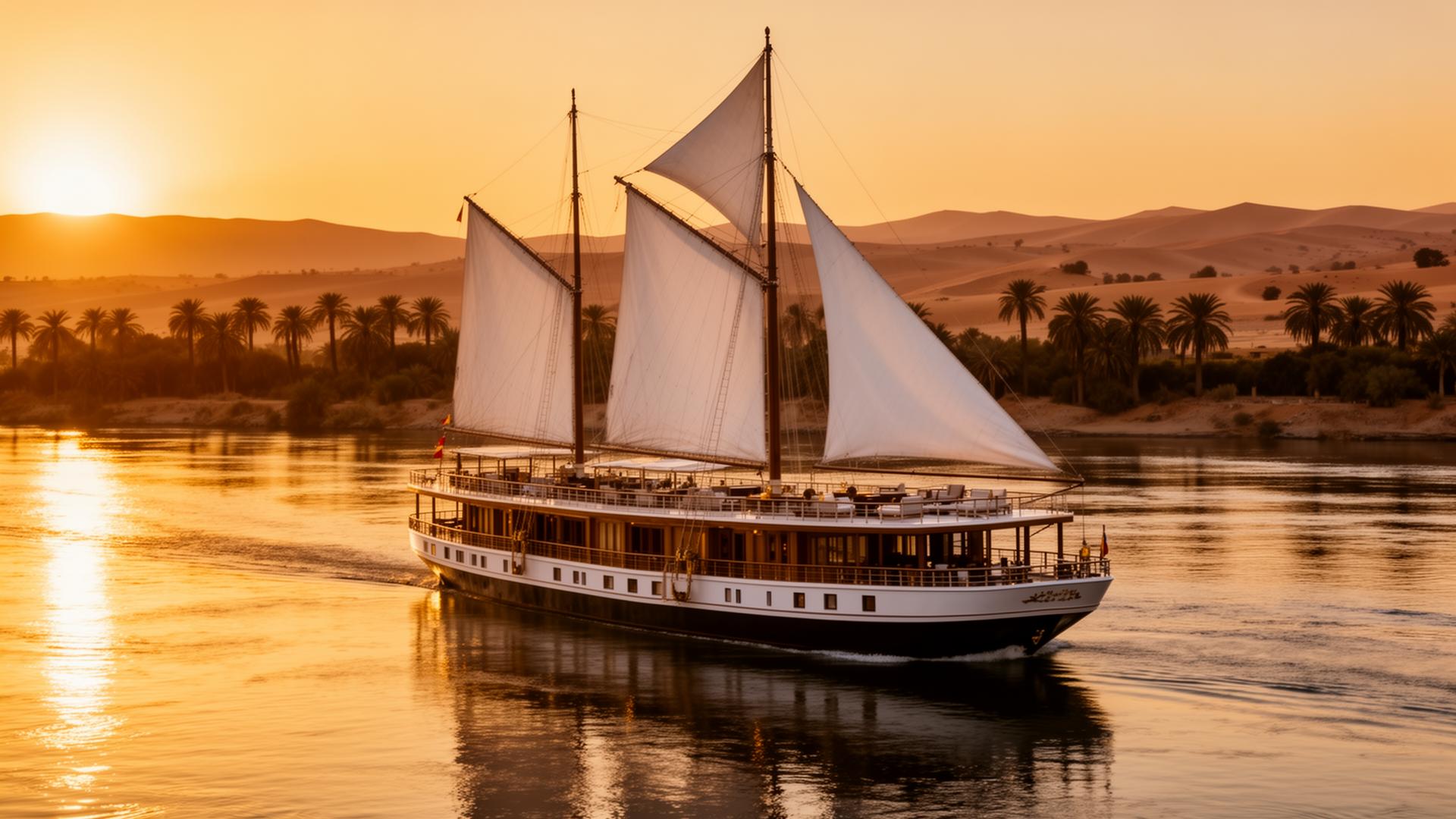
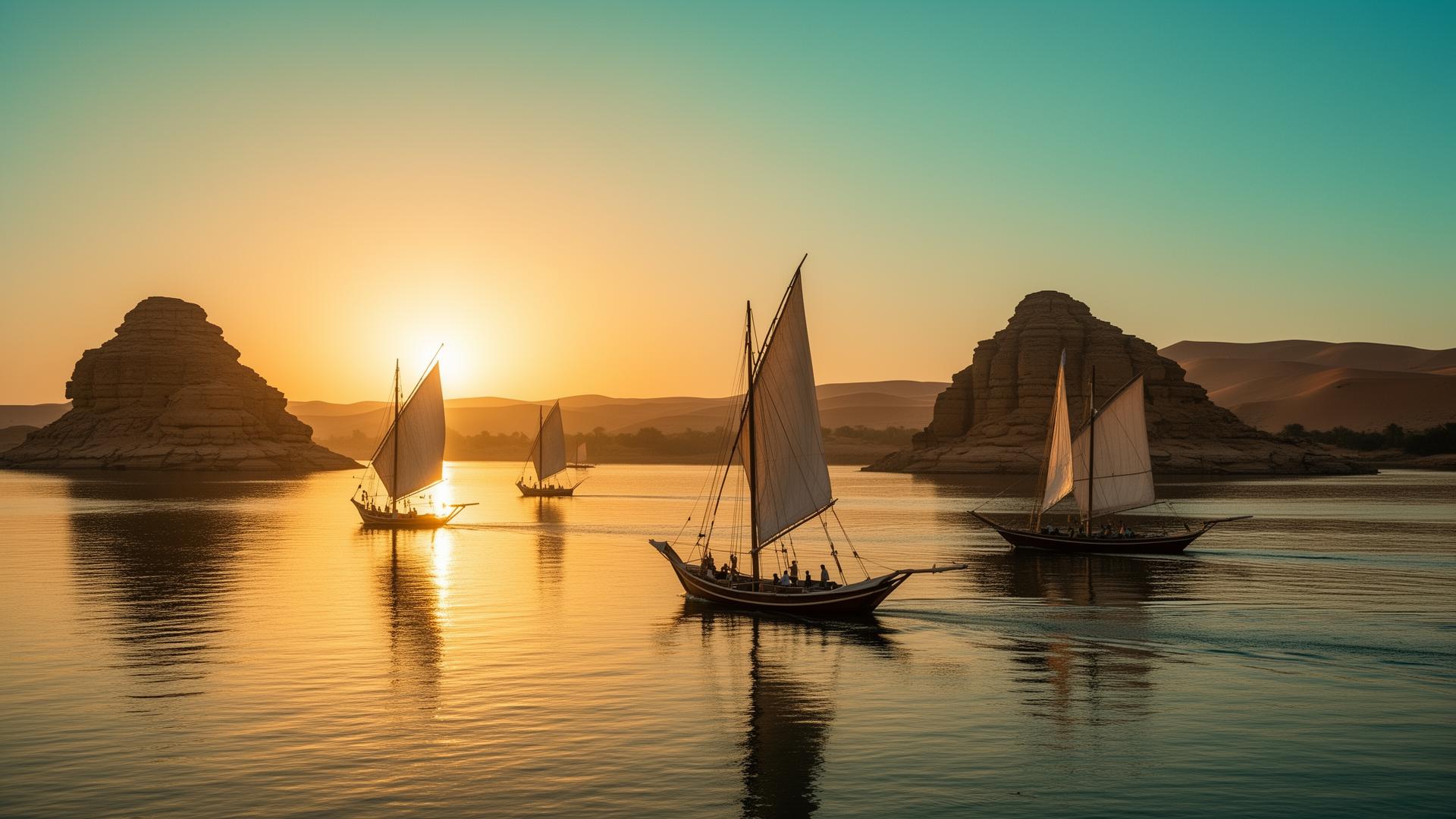
✓ Elegant dinner cruises with live music and panoramic city views ✓ Private boats and yachts for couples, families and small groups ✓ Sunset sailing on a traditional felucca through downtown Cairo ✓ Riverside restaurants and cafés that turn the Nile into the view
See Cairo from the Nile, and the city instantly slows down.
Best Places to Visit in Cairo
A focused short list — the experiences that, together, capture the full arc of the city.
- Pyramids of Giza — best for ancient wonders
- Grand Egyptian Museum — best for pharaonic history at the highest level
- Islamic Cairo — best for medieval architecture and atmosphere
- Khan El Khalili — best for markets, craftsmanship and street life
- Coptic Cairo — best for early Christian heritage
- The Nile — best for relaxation, sunset views and dinner experiences
Done well, each of these is worth at least half a day. Together they trace the whole story of the city.
Best Time to Visit Cairo
Cairo has two clear travel seasons.
October – April
- Cooler, dry weather across the city
- Ideal for walking tours, pyramids, and long days of sightseeing
- Peak luxury travel season — December and January book out earliest
May – September
- Hot to very hot during the day
- Quieter sites and noticeably better hotel and cruise prices
- A good window for travellers who plan slow mornings and late evenings
For most first-time visitors, the sweet spot is late October to early March.
How Many Days Do You Need in Cairo?
Cairo rewards travellers who give it more than a quick stop. A simple itinerary guide:
1 Day — a fast classic loop:
- Pyramids of Giza in the morning
- Grand Egyptian Museum in the afternoon
- A Nile dinner cruise in the evening
2 – 3 Days — the recommended length for most travellers:
- Add Islamic Cairo and a long afternoon at Khan El Khalili
- Spend a morning in Coptic Cairo
- Layer in food tours, local guides and rooftop sunsets
4+ Days — Cairo at the level it deserves:
- Hidden neighbourhoods and quiet historic districts
- Curated food tours
- Additional museums and contemporary galleries
- Day trips to Memphis, Saqqara and Dahshur
The longer you stay, the less Cairo feels like a checklist — and the more it feels like one of the world's great cities.
Cairo is more than a destination.
It is a journey through time.
From pyramids built by ancient kings, to medieval streets layered with history, to the modern life still gathered along the Nile, Cairo holds every chapter of Egypt's story in the same city.
"Cairo is where the past is not forgotten — it lives beside the present."
Continue your Egyptian journey on the river that started it all.