Aswan: Egypt's Gateway to Nubia and the Soul of the Nile
A long-form travel guide to Aswan — ancient frontier, granite quarries, Philae Temple, Abu Simbel, and the colourful heart of Nubian culture along the Nile.
Unlike Luxor, known for grand temples and royal tombs, Aswan tells a different story.
It is where ancient Egyptian civilisation met Nubian culture, creating a city shaped by trade, engineering, history, and the Nile itself.
For thousands of years, Aswan was Egypt's southern gateway — a meeting point between Africa and Ancient Egypt where merchants, explorers, and civilisations connected.
Today, travellers visit Aswan for ancient temples, colourful Nubian villages, peaceful islands, Nile cruises, and unforgettable sunsets.
The History of Aswan
Long before it became a destination, Aswan was a frontier.
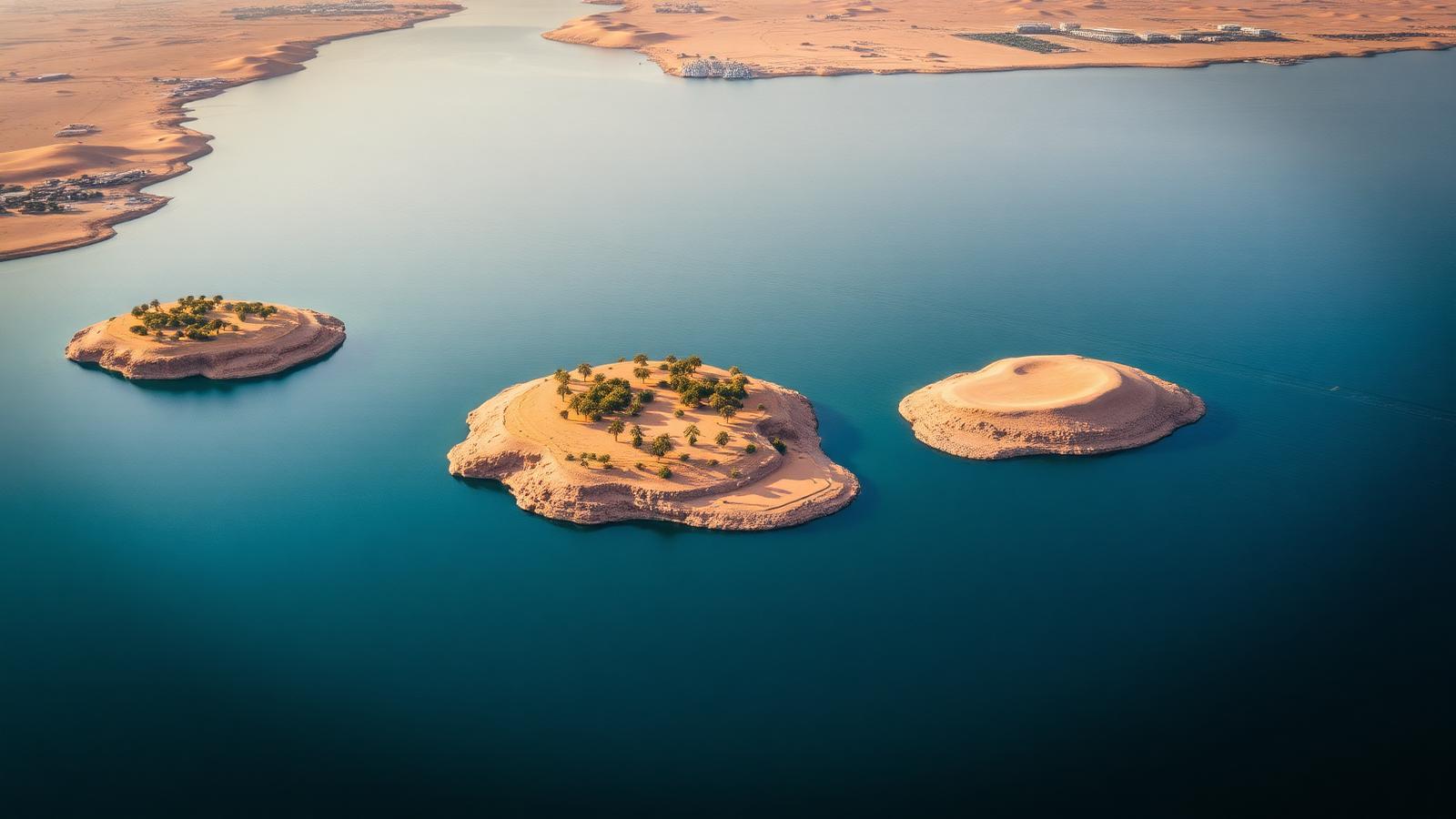
The ancient Egyptians knew it as Swenett — a city perched at the first cataract of the Nile, where the river narrowed between granite outcrops and the great desert opened toward the south.
It was Egypt's southern border, its trading post, and its window onto Africa.
From Swenett, caravans and river expeditions ventured deep into Nubia to bring back the materials that built the imagined world of the pharaohs:
- Gold from the eastern deserts
- Ivory carried up from the African interior
- Precious stones for royal jewellery
- Incense burned in the sanctuaries of the gods
- Exotic materials traded as tribute and luxury
The Nile was both road and reason. Without it, Aswan could not have existed. With it, the city became the meeting place of two worlds — Egyptian and Nubian — bound together by water, stone, and exchange.
The Stone That Built Ancient Egypt
Walk through any great Egyptian temple and, sooner or later, you are walking on Aswan.
The granite quarries here supplied the stone for some of the most enduring monuments of the ancient world:
- Temples raised along the Nile
- Statues of kings and gods
- Towering columns and lintels
- Obelisks that crossed the river to Luxor, Karnak, and beyond
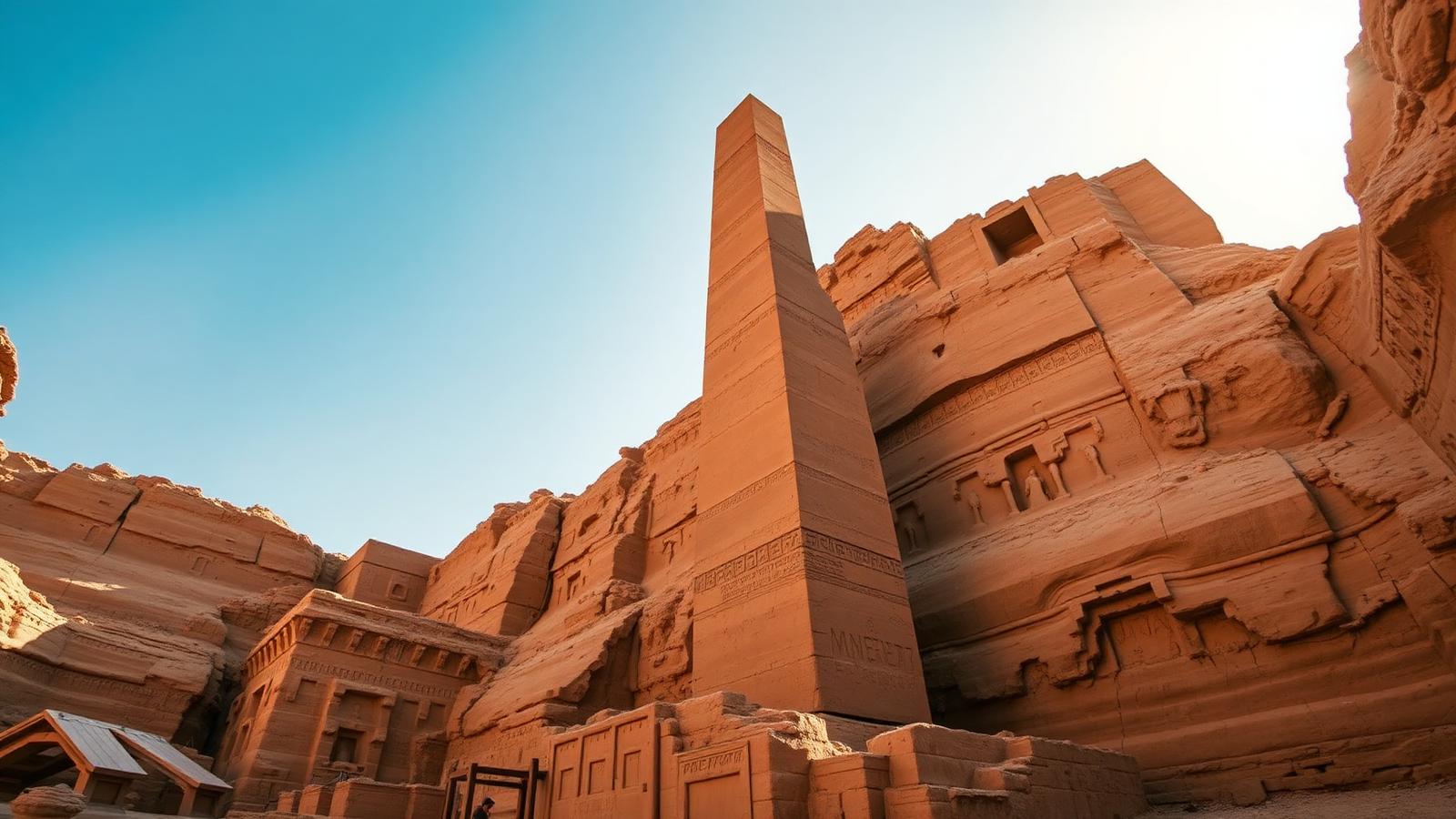
Nowhere is this story more visible than at the Unfinished Obelisk — a single monolith still resting in the bedrock where it was carved nearly 3,500 years ago.
Had it been completed, it would have stood roughly 42 metres tall, the largest obelisk Egypt ever attempted.
A crack appeared during shaping, and the work was abandoned. What remains is something rarer than a finished monument: a frozen workshop. Tool marks, trenches, and rough surfaces give modern historians their clearest insight into how Egyptian craftsmen carved colossal monuments from solid stone.
Philae Temple — The Temple Saved From the Nile
Few temples in Egypt carry a story as romantic as Philae.
Dedicated mainly to the goddess Isis, Philae was one of the last living centres of ancient Egyptian religion. Long after most temples had fallen silent, pilgrims still travelled here to leave offerings at her sanctuary.
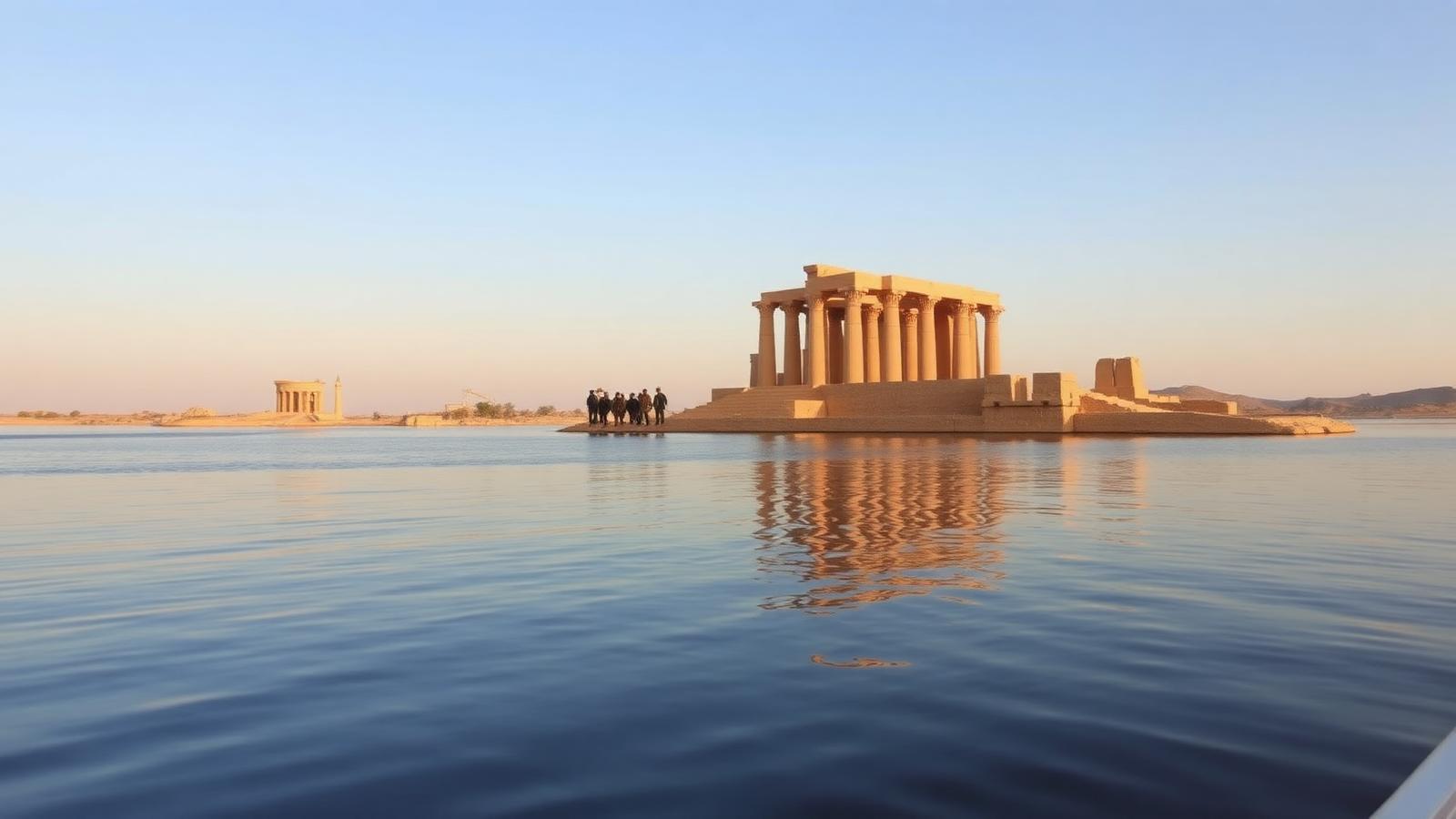
For centuries the temple stood on its original island, where the Nile curled around it on every side.
Then came the modern age.
When the Aswan High Dam was built in the twentieth century, the rising waters of Lake Nasser threatened to swallow Philae forever.
In one of the great rescue projects of the modern era, UNESCO and Egyptian engineers dismantled the temple block by block — more than 40,000 pieces — and rebuilt it on the higher, drier island of Agilkia, carefully reshaped to resemble Philae's original landscape.
Approaching it today by boat at sunset, it is easy to forget it was ever moved at all.
> Did You Know? > Philae Temple was carefully relocated stone by stone to save it from the rising waters of the Nile after the High Dam was built.
Abu Simbel — Ramses II's Monument of Power
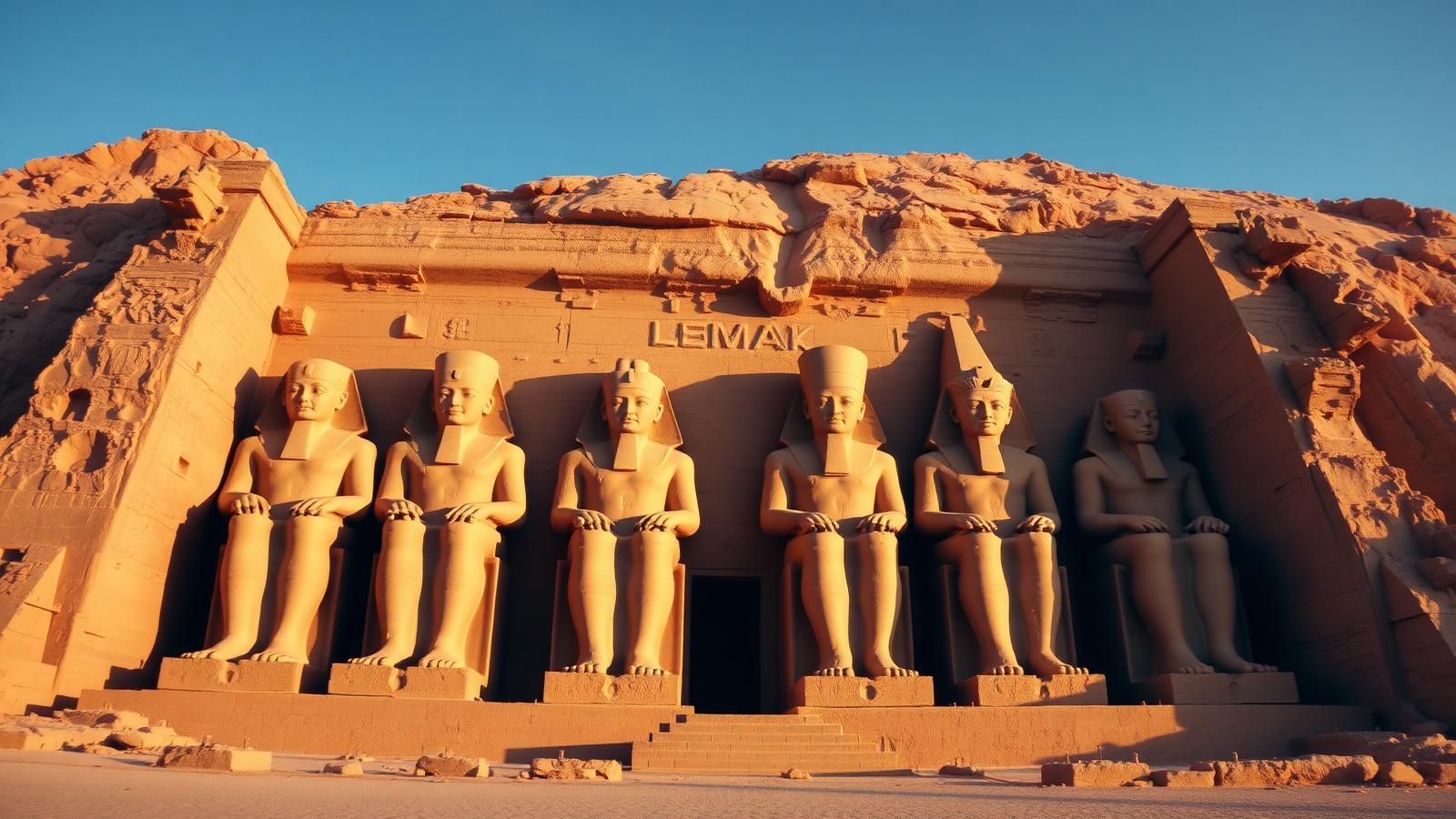
Three hours south of Aswan, carved directly into a sandstone cliff above Lake Nasser, stand the temples of Abu Simbel.
They were built by Ramses II — and they were never meant to be subtle.
Four colossal seated statues of the king guard the entrance. Inside, the walls celebrate his military victories, his divine status, and his place beside the great gods of Egypt.
Abu Simbel was a statement aimed at Nubia and at history itself: a symbol of Egyptian power, divine legitimacy, and the king's eternal presence at the southern frontier.
Most extraordinary of all is the temple's astronomical design.
Twice a year — around 22 February and 22 October — the rising sun aligns precisely with the entrance and travels down the long central corridor, illuminating three of the four statues in the inner sanctuary. The fourth, the god of darkness, is intentionally left in shadow.
> Fact Card > Abu Simbel proves that ancient Egyptian builders combined architecture, religion, and astronomy with a precision modern engineers still admire today.
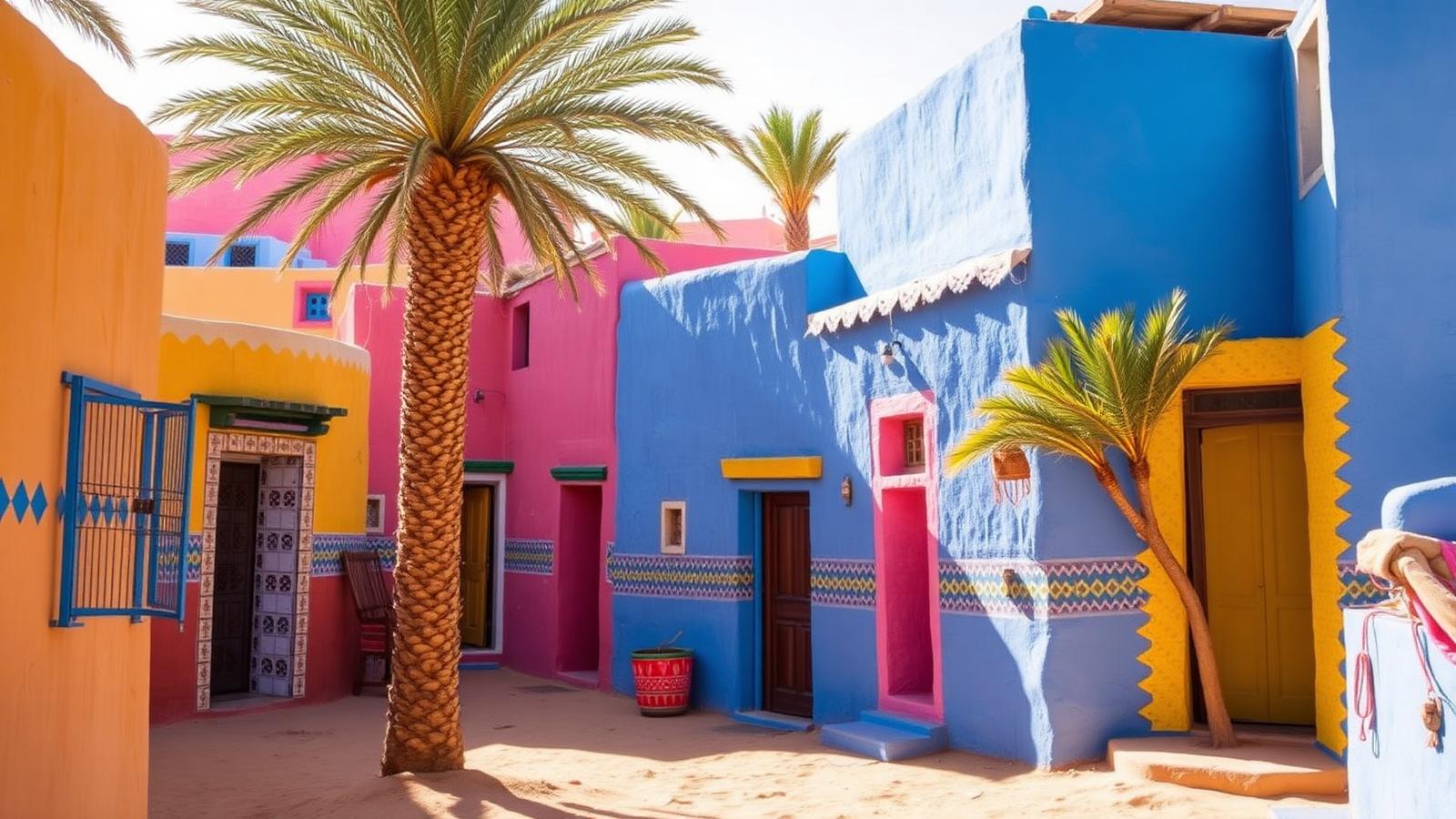
Nubian Culture — The Colourful Heart of Aswan
To understand Aswan, you have to understand Nubia.
The Nubian people have lived along this stretch of the Nile for thousands of years — older, in many ways, than Egypt itself.
Their villages, painted in vivid blues, yellows, pinks and whites, line the river around Aswan and on islands such as Gharb Soheil and Heisa.
Step inside, and Aswan feels different from the rest of Egypt:
- Architecture built around courtyards, domes, and bold colour
- Music driven by drums, hand-claps, and call-and-response singing
- Traditions passed down through poetry, weddings, and storytelling
- Food rich with spices, dates, hibiscus, and slow-cooked stews
- Hospitality that treats every traveller as a guest of the family
- Handmade crafts: woven baskets, beaded jewellery, painted ceramics
This is not a culture preserved for tourists. It is a living one — proud, warm, and inseparable from the river it has called home for millennia.
The Nile Experience in Aswan
The Nile in Aswan feels different.
In Cairo, the river works. In Luxor, it performs. In Aswan, it simply breathes.
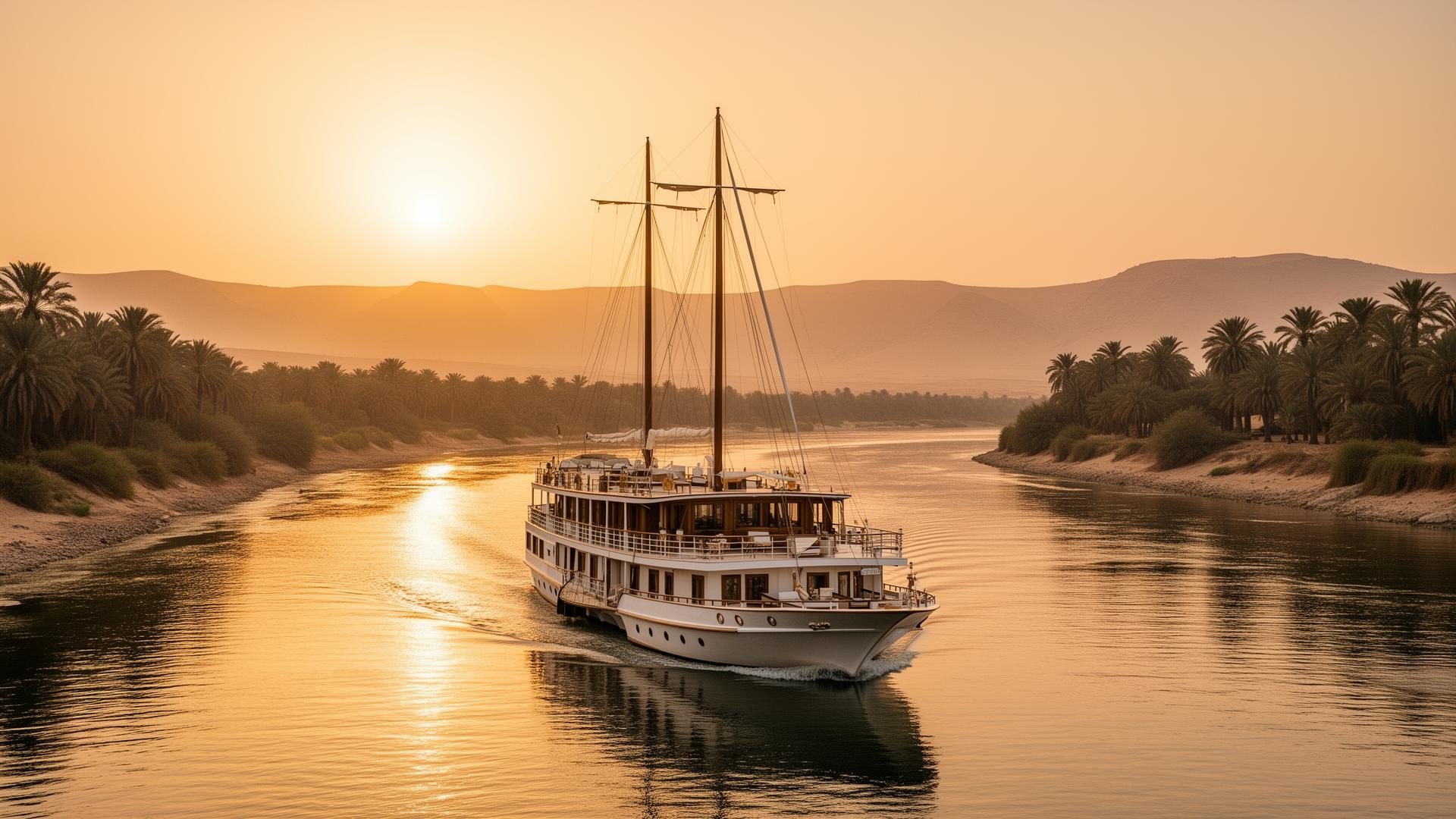
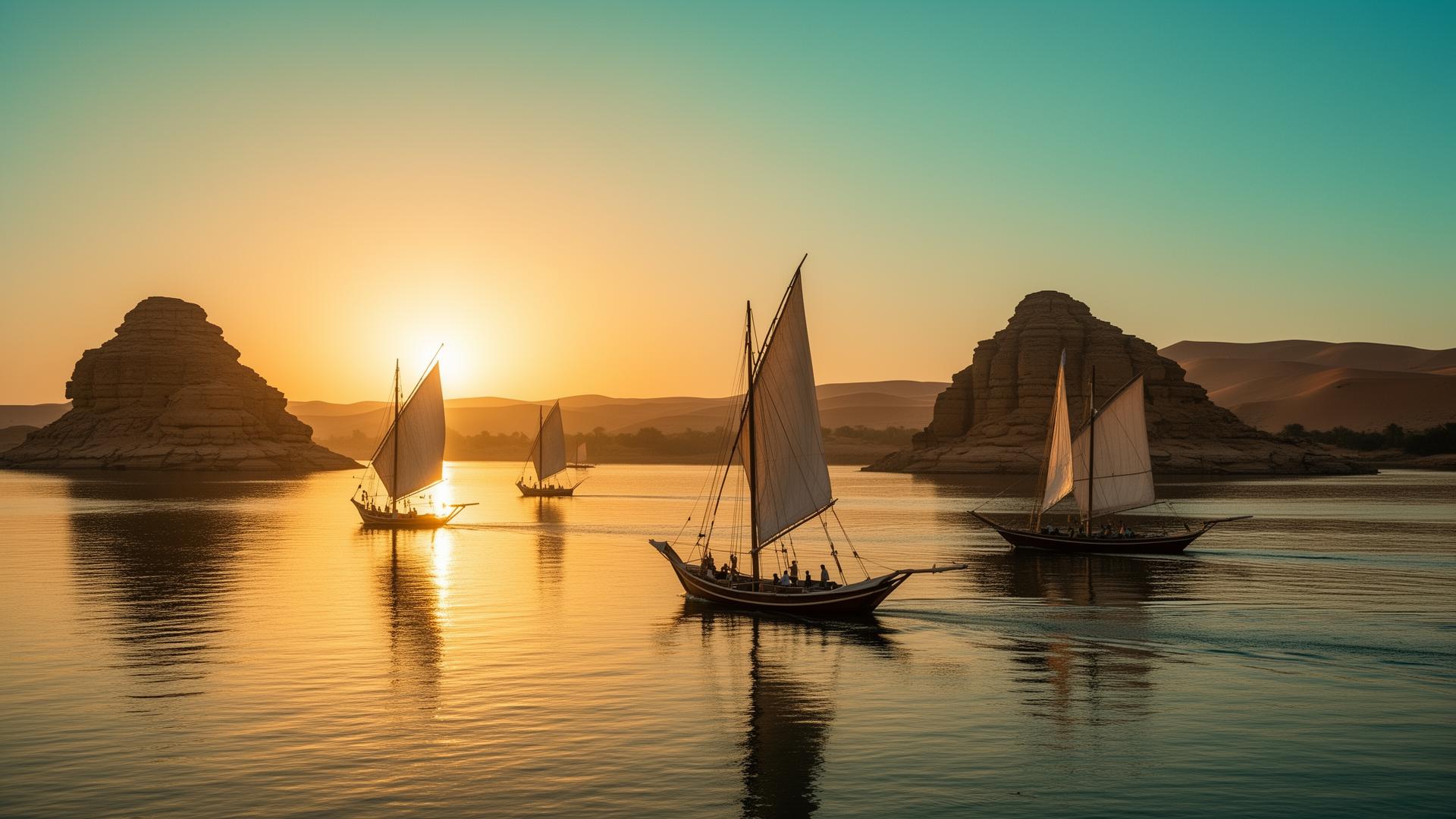
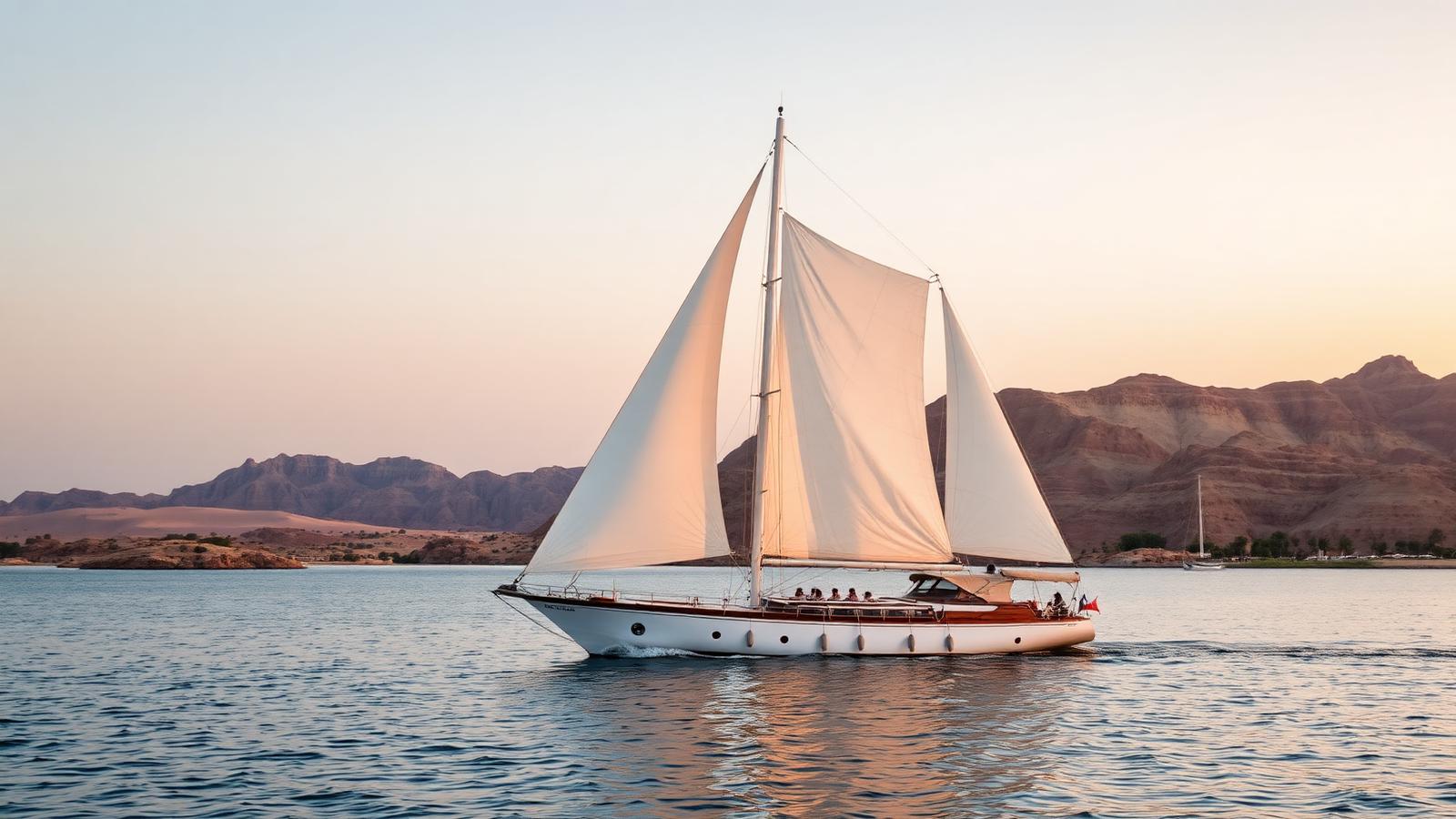
Here the current slows. The water widens between granite islands. Desert dunes spill almost to the shore. The horizon is broken only by sails and palm groves.
It is the Nile at its most cinematic, and its most quiet.
This is why Aswan has become the spiritual home of slow river travel:
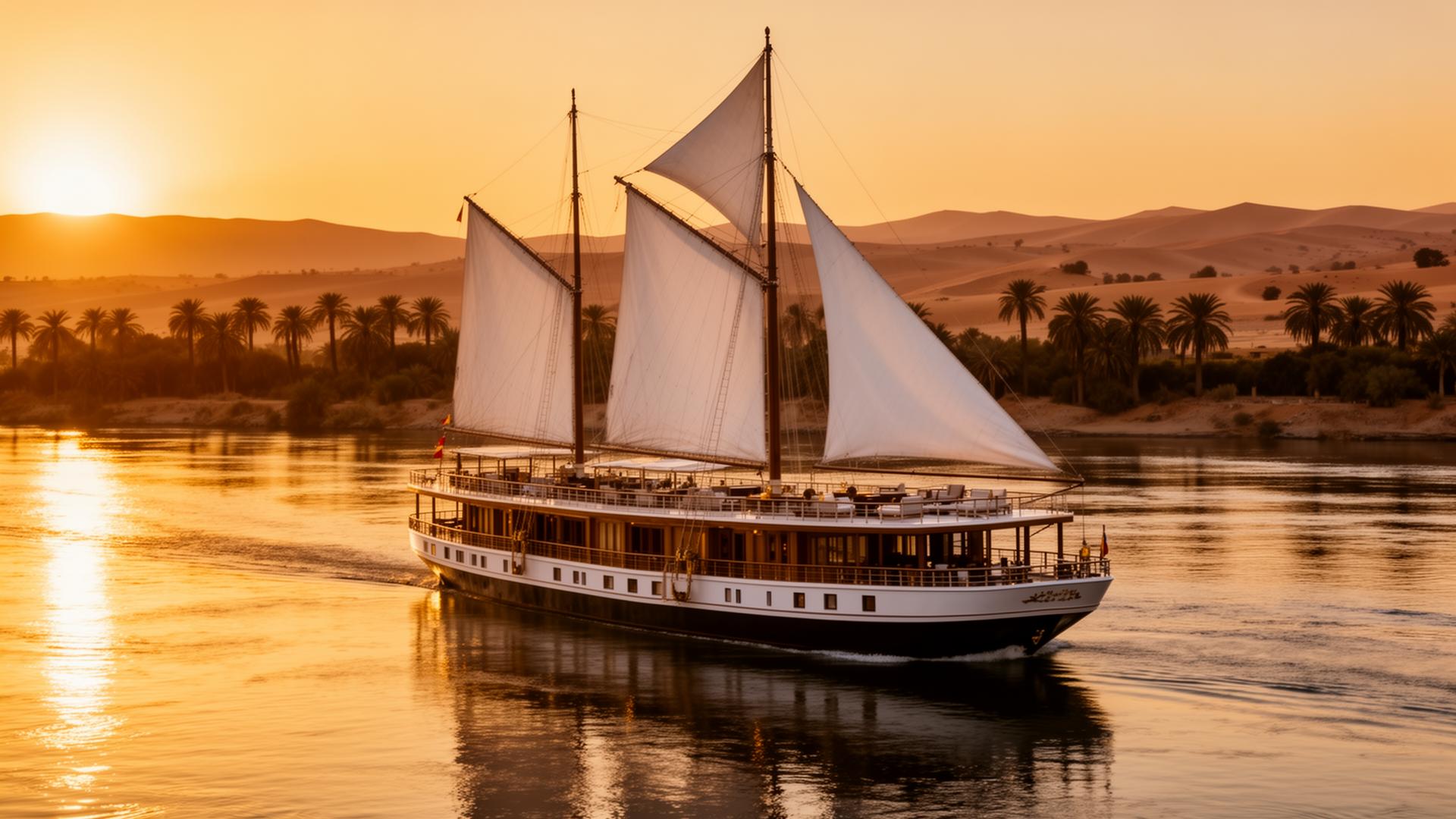
✓ Felucca sailing — traditional wooden boats moving only with the wind ✓ Dahabeya cruises — small, intimate sailing yachts inspired by the journeys of nineteenth-century travellers ✓ Private Nile journeys — luxury cruises that drift between Aswan, Kom Ombo, Edfu and Luxor
A morning on the water in Aswan is not transport. It is an experience that has stayed almost unchanged for thousands of years.
Best Places to Visit in Aswan
A short list of places that, together, capture the spirit of the city:
- Philae Temple — best for history, mythology, and sunset boat approaches
- Abu Simbel — best for monumental architecture and the legacy of Ramses II
- Nubian Village — best for culture, colour, music, and local hospitality
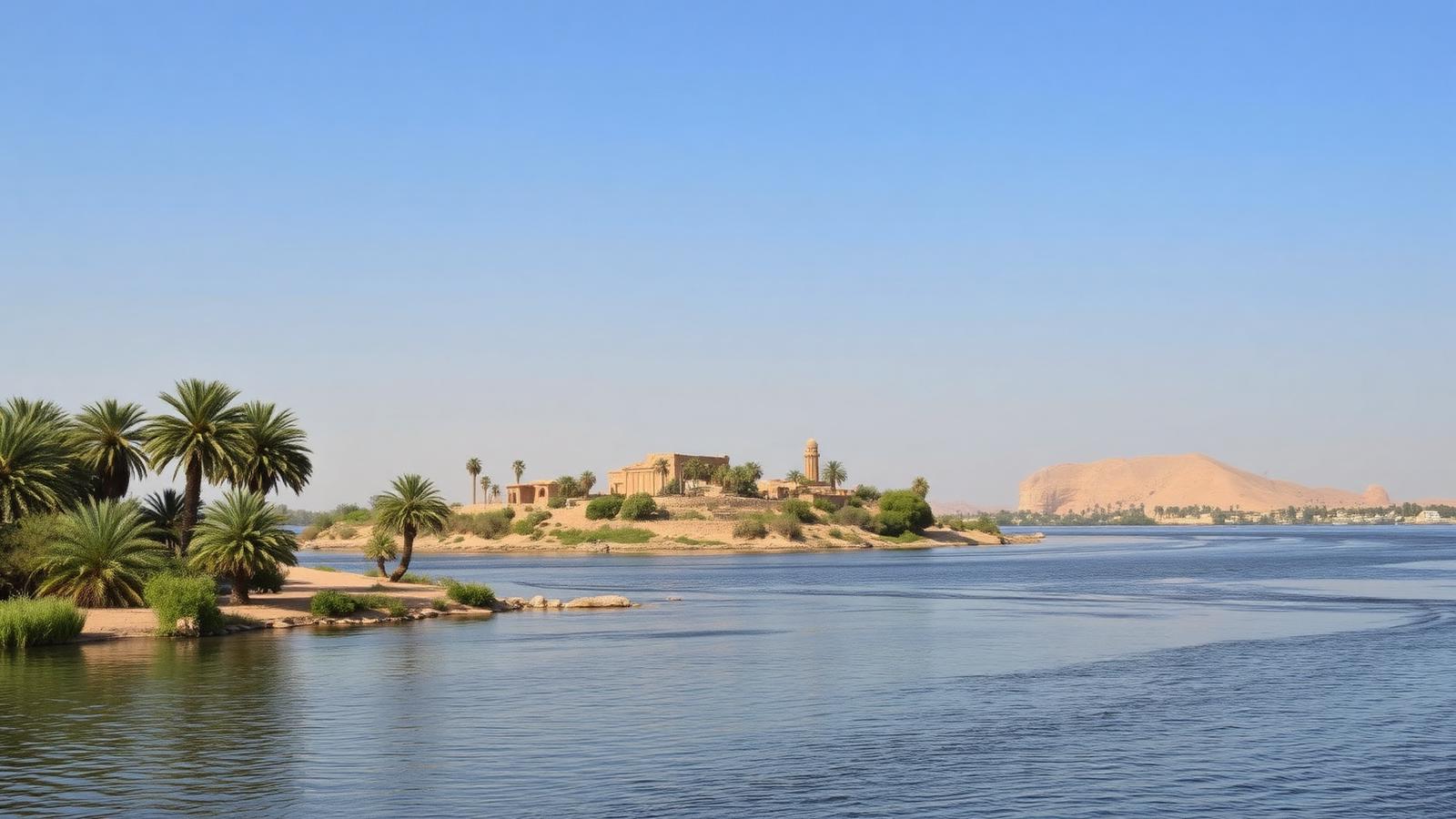
- Elephantine Island — best for ancient settlements and quiet riverside walks
- Aswan Botanical Garden (Kitchener's Island) — best for shade, nature, and slow afternoons by the water
Each one is worth a half-day on its own. Together, they trace the full arc of Aswan: ancient, mythical, cultural, and serene.
A Garden in the Middle of the Nile
If Aswan has a secret, it is Kitchener's Island.
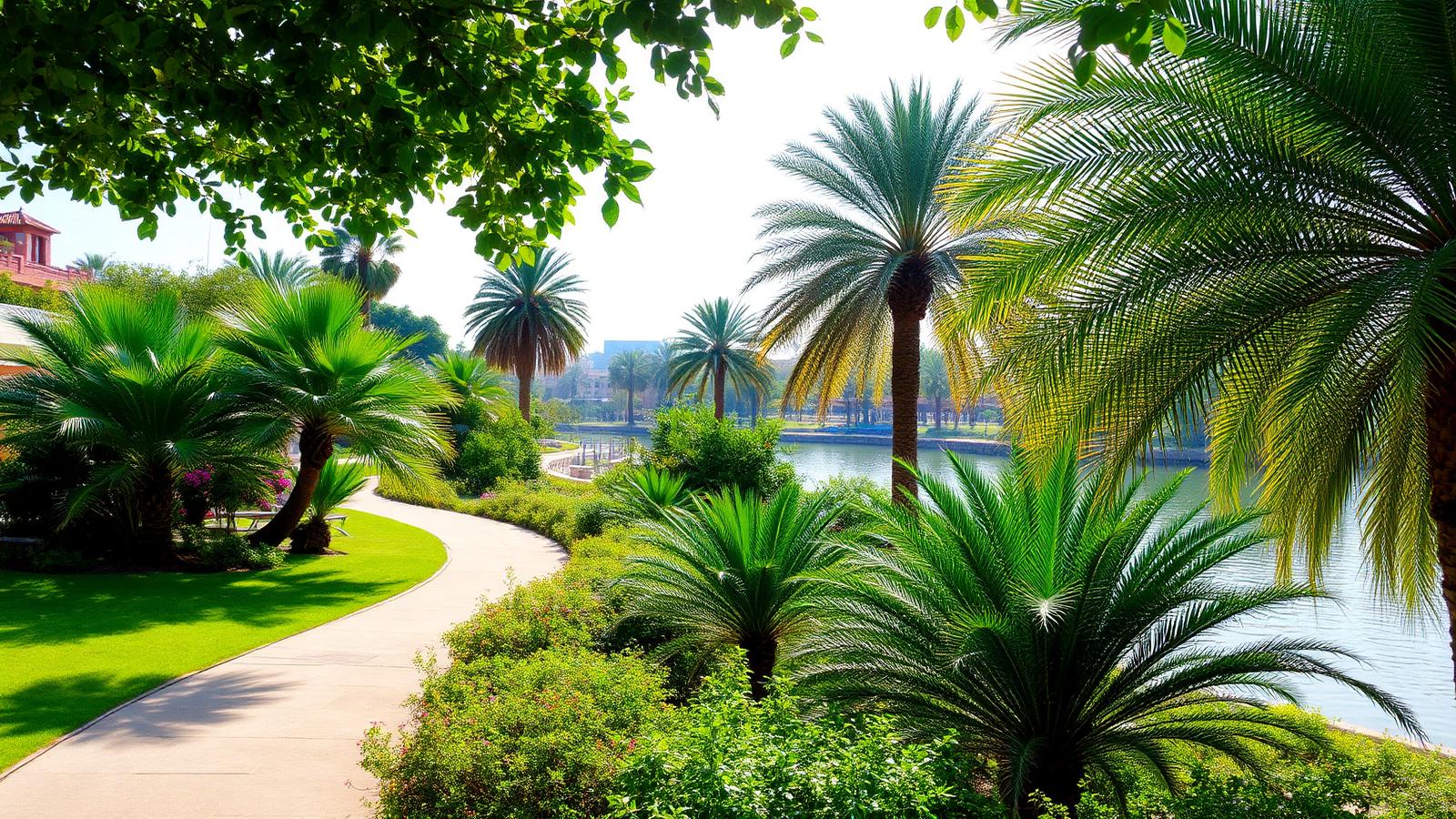
A narrow strip of land in the middle of the river, planted in the late nineteenth century with rare species brought from across Africa and Asia, it is the city's quiet counterpoint to its monuments.
There are no temples here. No queues. Just shaded paths, the rustle of palms, and the river drifting on either side.
Visit in the late afternoon, when the heat softens and the light turns gold on the water. It is one of the most peaceful hours you can spend anywhere in Egypt.
Best Time to Visit Aswan
Aswan has two clear seasons for travel, each with its own character.
October – April
- Cooler, dry weather (comfortable days, mild evenings)
- The ideal months for sightseeing, walking, and Nile sailing
- Peak season for luxury cruises — December through February book out earliest
May – September
- Hot, sometimes intensely so
- Fewer travellers and noticeably lower prices
- A better fit for slow mornings on the river and shaded courtyards
For most first-time visitors, the sweet spot is late October to early March — warm enough for sailing, cool enough for ruins.
How Many Days Do You Need?
Aswan rewards travellers who slow down. A simple itinerary guide:
1 Day — a focused first visit:
- Philae Temple in the morning
- A Nubian village in the afternoon
- A felucca sail at sunset
2 – 3 Days — the recommended length for most travellers:
- Add Abu Simbel as a full-day excursion
- Spend an afternoon on Elephantine Island and Kitchener's Island
- Layer in deeper cultural experiences — Nubian dinners, local guides, river markets
4+ Days — the way Aswan deserves to be seen:
- Slow travel, late breakfasts, early evenings on deck
- A multi-night dahabeya journey toward Luxor
- A luxury Nile cruise with curated stops at Kom Ombo and Edfu
In Aswan, more days do not mean more sights. They mean more silence on the water.
Aswan is not only a place to see monuments.
It is a place to experience the Nile as people have for thousands of years.
Golden sunsets, ancient temples, peaceful waters, and Nubian culture come together to create one of Egypt's most unforgettable destinations.
Aswan is where Egypt slows down — and the Nile tells its story.